

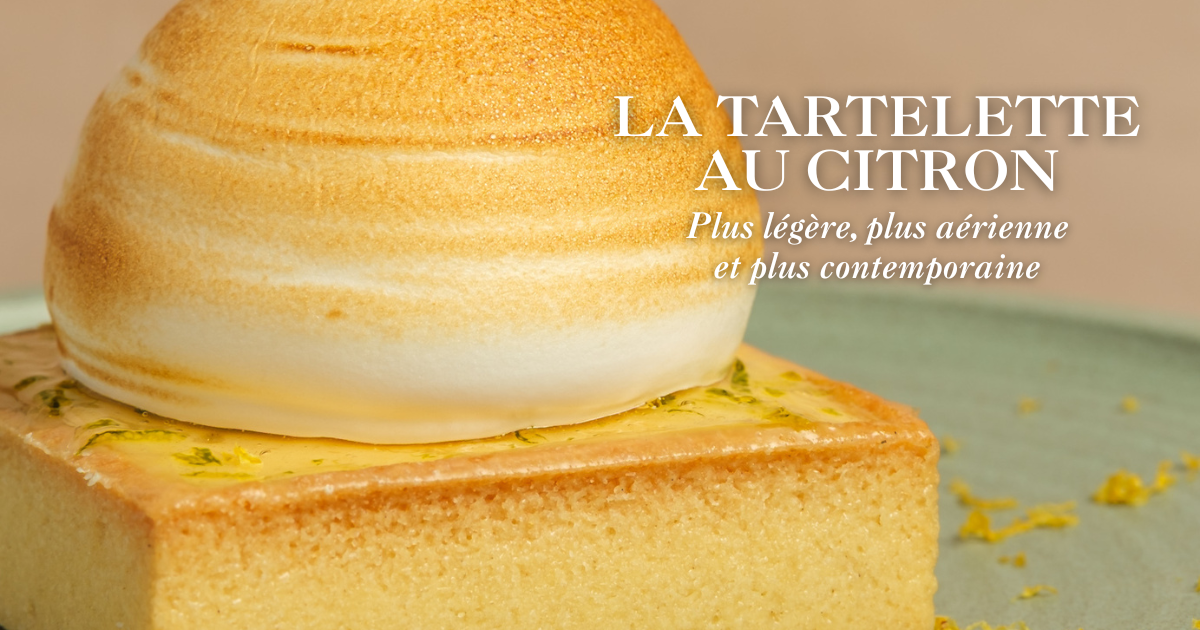
Pastries: A new take on the lemon tartlet
A new take on the lemon tartlet Some recipes stand the test of time without losing their appeal. And then, one day,...

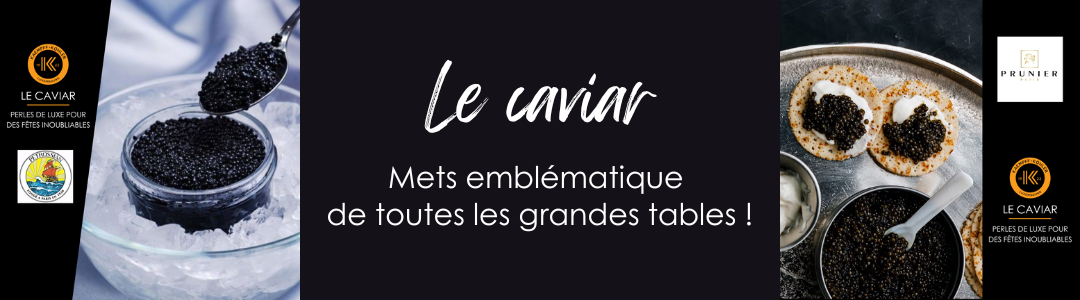
In luxury gastronomy, which delights our tables for the festive season, caviar has become almost essential.
This legendary delicacy from the shores of the Caspian Sea, once little known outside Russia, a by-product of sturgeon that was fed to pigs, is now one of the most refined dishes served at the finest tables around the world.
Since 2008, fishing wild sturgeon and selling its caviar have been completely banned. With the fish placed under strict surveillance, this luxury product has become farmed, which, in a way, makes it more accessible.
At the time, the great caviar houses imported this rare delicacy from Russia and Iran, but with the collapse of the Soviet Union, the market began to fluctuate and attention shifted to local farming, notably in France where two specialists, Prunier and Pétrossian, took matters in hand.
Founded in 1872 and 1920 respectively, these two great names in high-end gastronomy were already key players in the market. Since 2004, Prunier has been associated with Caviar House, another globally renowned caviar player.
Kaempff-Kohler offers the exclusive products of these two world-renowned producers in its shops.
Established since 1993 at the heart of an ecosystem spanning several hectares of nature, the Prunier facility is supplied by the Isle, a tributary of the Dordogne, which rises in the Massif Central at an altitude of 375 metres.
At Pétrossian, caviar comes from various fish farms around the world.
Caviar is not just caviar
There are 27 species of sturgeon, each with its own characteristics.
The classification of caviar varieties is a little simpler:
Beluga is harvested from a sturgeon that is at least 15 years old. Beluga eggs are larger than those of other caviars. Their light colour tends towards grey.
Ossetra caviar (aged between 10 and 12 years), the best of which is harvested from the Golden sturgeon (Acipenser Gueldenstaedtii) recognised by its yellow line on the belly, is more golden in colour. It is creamy and rounded, with a typical hazelnut flavour.
Baeri caviar is recognisable first and foremost by its small to medium-sized grains, generally darker and firmer than those of Beluga or Ossetra.
And the classification can be completed with crossbred hybrids, a new-trend caviar that comes mainly from China.
How do you recognise a good caviar?
The sex of the sturgeon can only be determined at the age of 3. Females are sent for farming, while the males’ fillets are kept for consumption. Their skin is used for leather production or oils.
Females are raised in different tanks depending on their age. Typically, between 10% and 15% of eggs are harvested relative to their weight.
Water is, of course, a determining factor in the fish’s growth and health. The ideal location for a fish farm is a place near where wild sturgeon used to be fished in the past.
The fish farmer strives to recreate the natural process of life in the river.
The silky skin and the uniform alignment of the grains in the tin are the essential elements for recognising a good caviar.
And the taste?
The taste of caviar depends on the terroir, the feed and the care provided by the fish farmer.
Extracting the eggs takes about 20 minutes. The artisan-producer adds rock salt, the quantity (between 3% and 5%) and quality of which will ultimately determine the taste of the caviar. The salt gives character and keeps the grains uniform.
This is followed by the addition of borax for preservation.
This artisanal manual process is completed by tinning. The tins are stored for 3 to 4 weeks. They are regularly turned to circulate the oils.
At the first caviar tasting, the flavour of the barely washed eggs quickly gives way to an almost sweet taste with aromas reminiscent of dried fruits, from hazelnut to walnut, butter or a hint of yeast depending on the fish species, with iodine notes on the finish.
The texture of good caviar is creamy, without becoming greasy.
There is no better sensation than biting into a caviar pearl that releases an explosion of endless flavour in the mouth.
A new take on the lemon tartlet Some recipes stand the test of time without losing their appeal. And then, one day,...
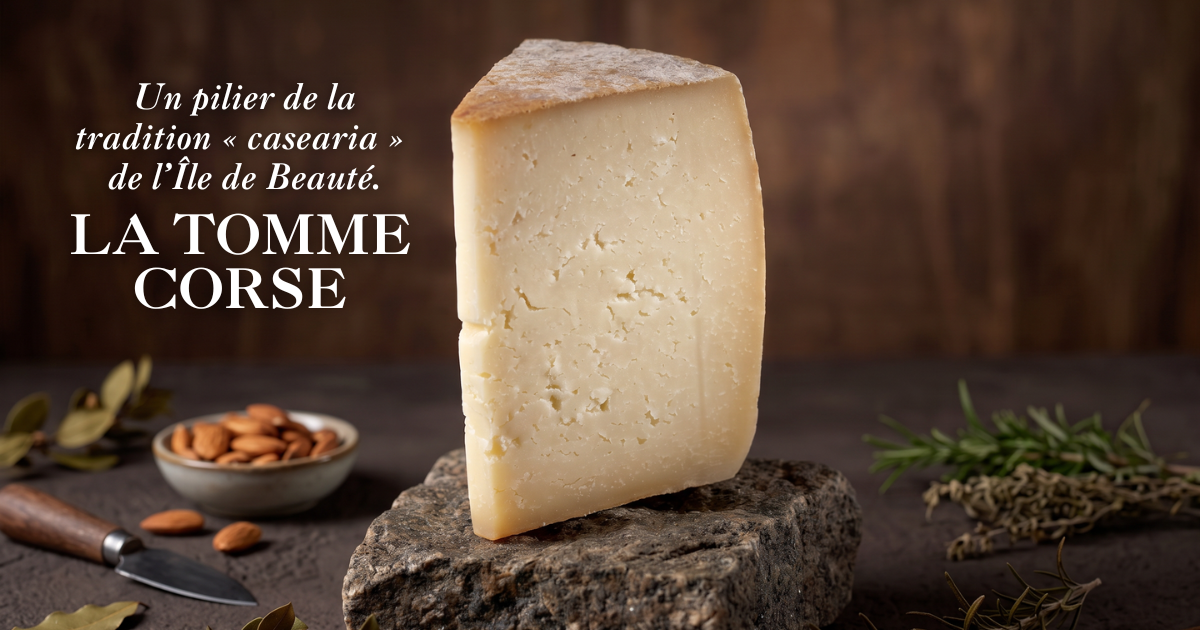
A cornerstone of the ‘casearia’ tradition on the Isle of Beauty Corsican tomme is one of the iconic cheeses of the Île...
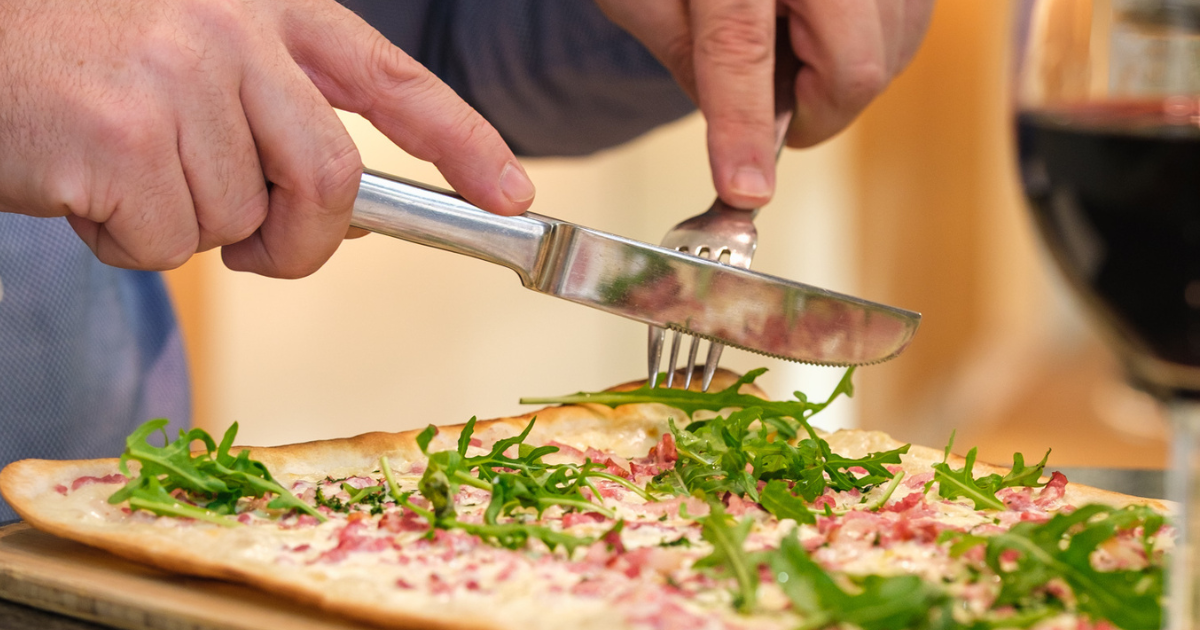
The Komptoir K’ One day, a thousand moments Some places are designed for you to spend a little time there. And then...
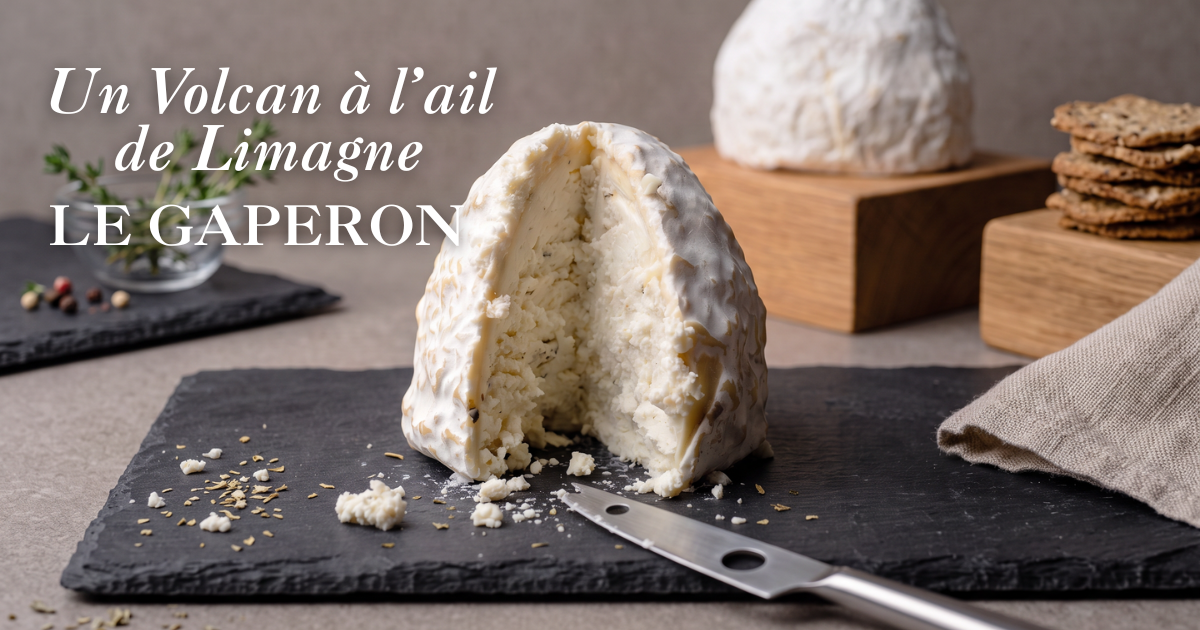
Kaempff-Kohler Cheese Shop A little garlic volcano from the Limagne region It is shaped like a small volcano, has a...
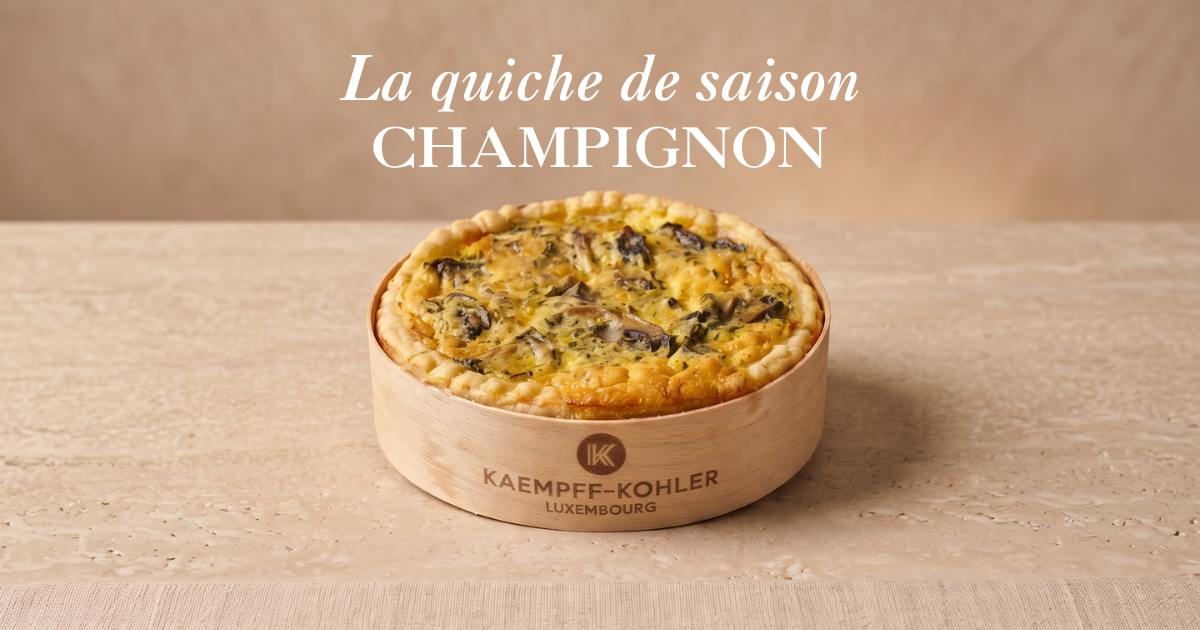
Kaempff-Kohler Take Away Have a great start to the new term, with a touch of indulgence! Autumn is setting in… and...
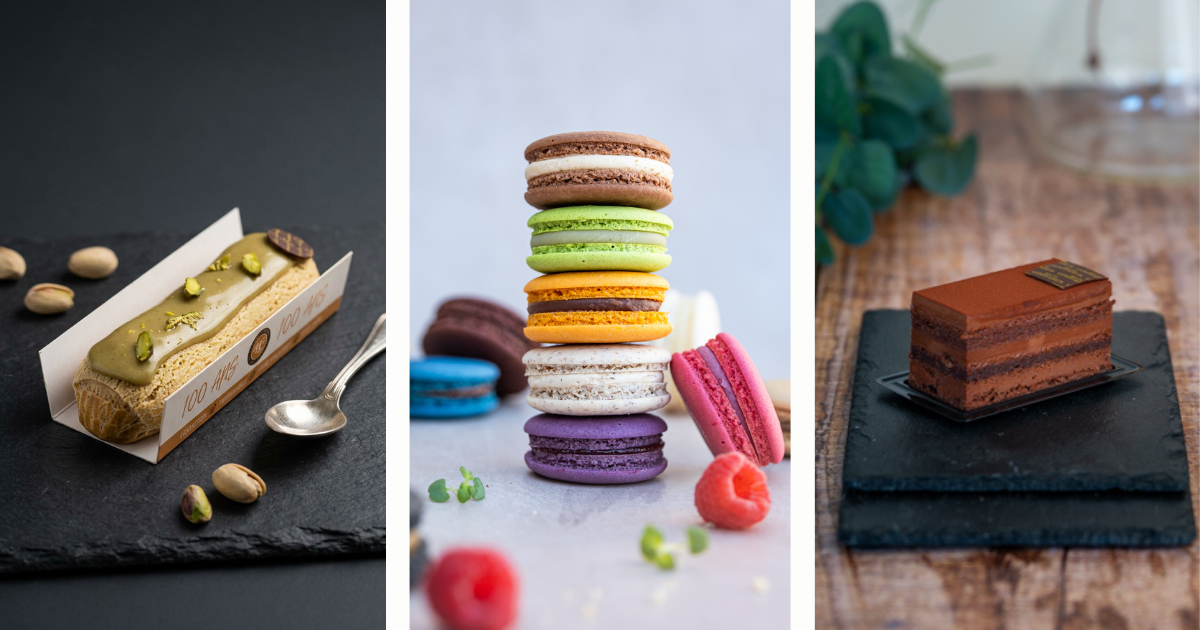
Pleasure without restraint The Kaempff-Kohler gluten-free pastry range At Kaempff-Kohler, we believe that pastry...
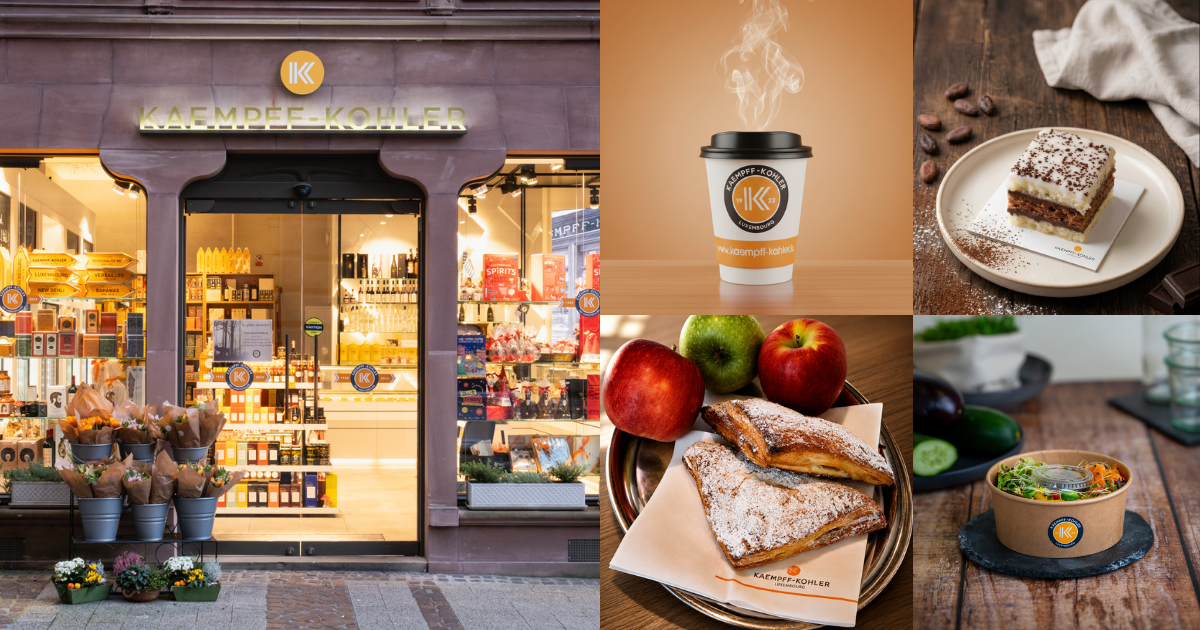
Start of the 2026 academic year ‘Grab & Go Miam’ September is just around the corner… It’s back-to-school time!Back to...
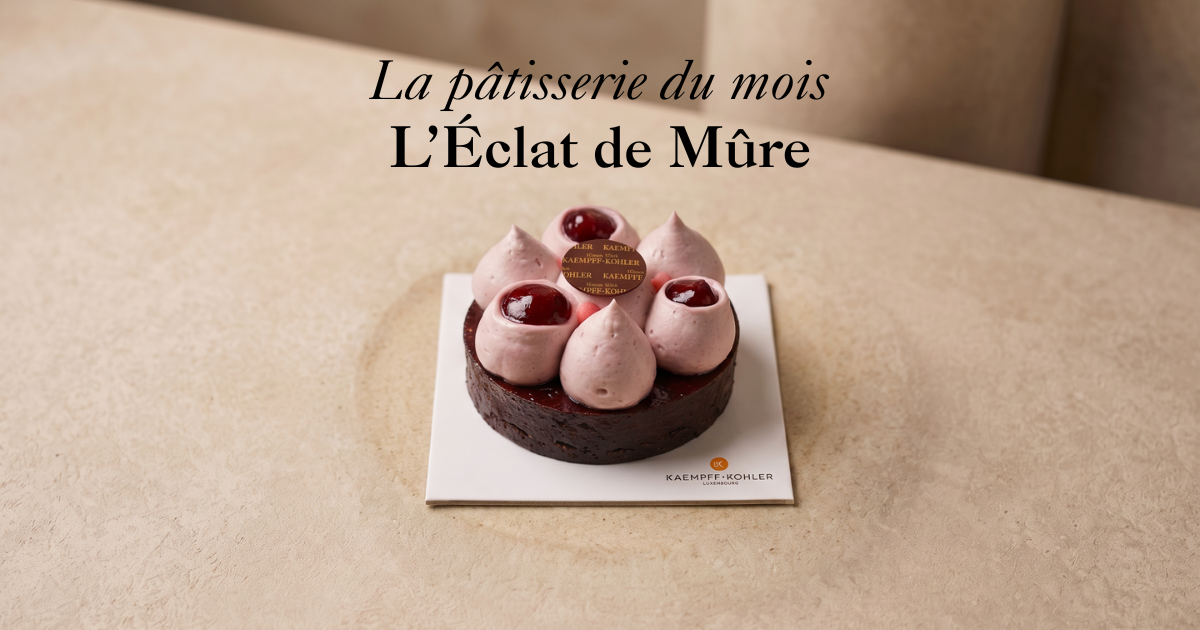
The pastry creation of the month The Blackberry’s Radiance The wild blackberry is the king of late-summer fruits. A...
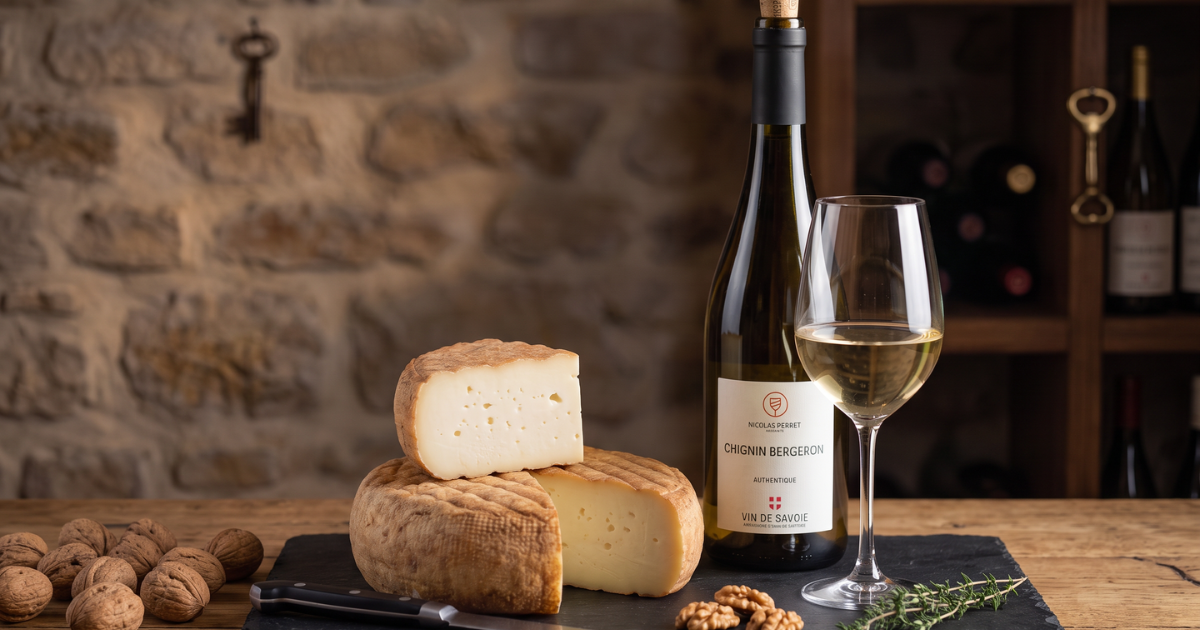
Cheese and wine of the month‘Brun de Noix’ and ‘Chignin-Bergeron’ For their September selection, the cheesemakers at...
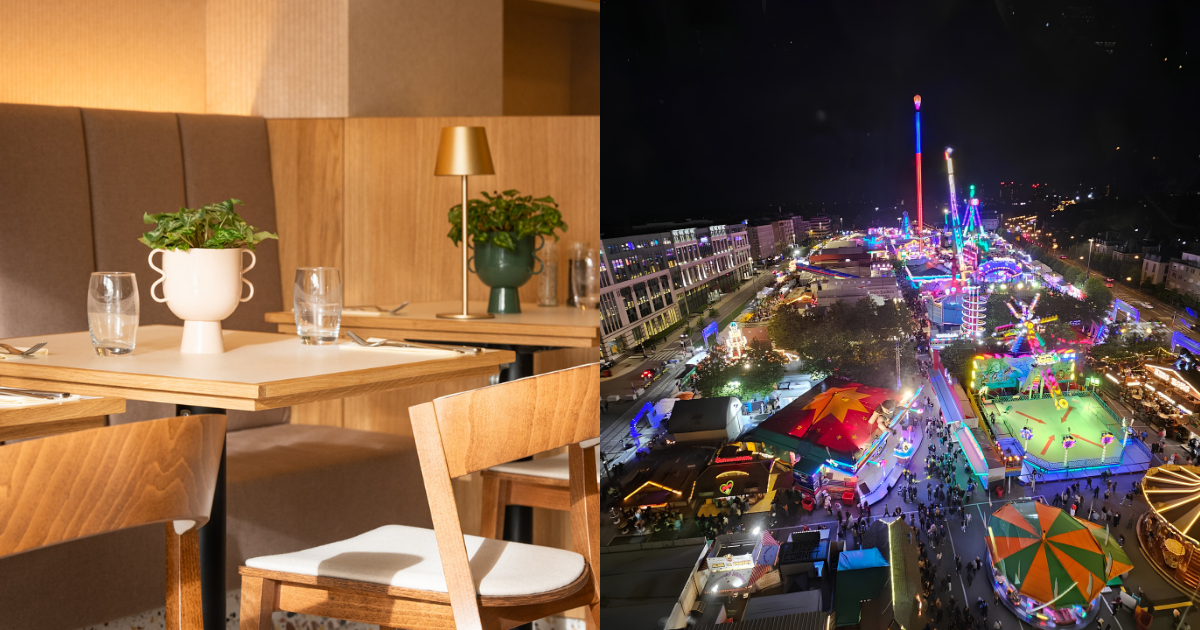
Komptoir K’ – Just like at the Schueberfouer The Fouerfësch: a taste of celebration in the heart of Luxembourg In...