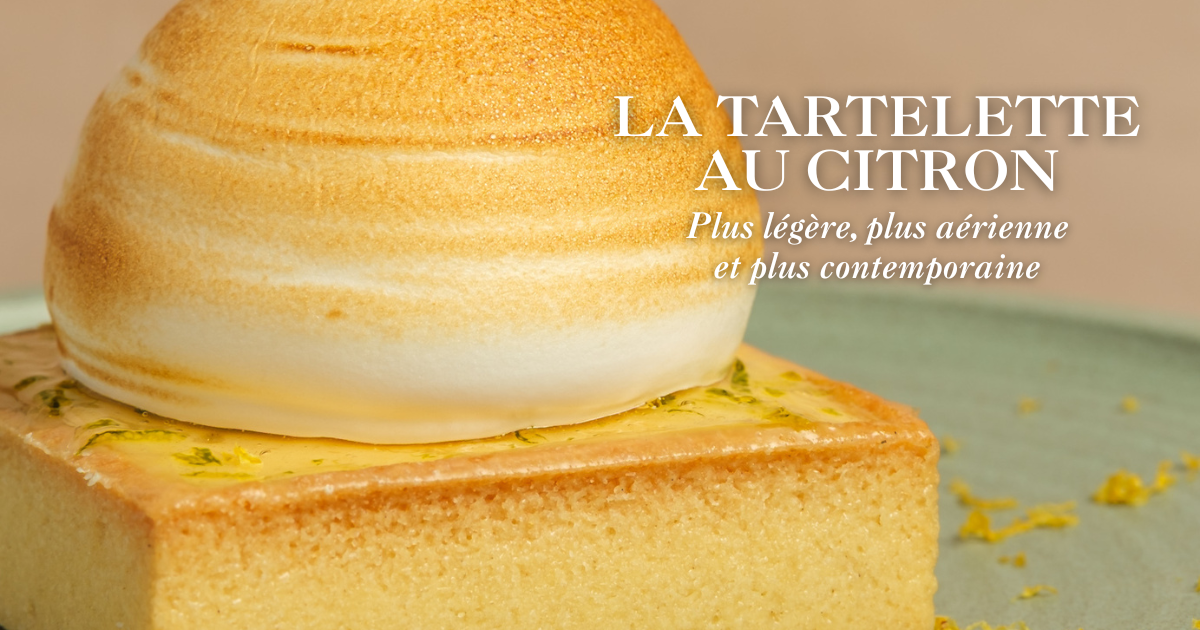
Pastries: A new take on the lemon tartlet
A new take on the lemon tartlet Some recipes stand the test of time without losing their appeal. And then, one day,...

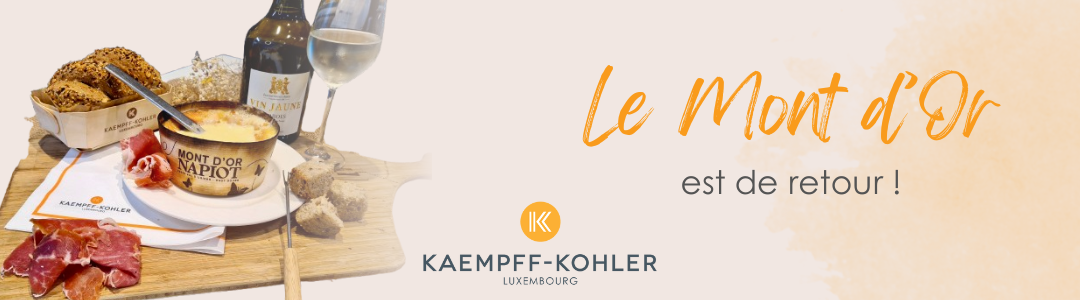
The big moment has arrived!
The designations of origin Mont d’Or and Vacherin refer to two very similar cow’s milk cheeses with a soft, washed rind.
They are produced in an area located in the heart of the Jura Mountains.
The cheese produced in France, in a part of the department of Doubs, is called “Mont d’Or,” while the one produced in Switzerland in the canton of Vaud is called “Vacherin Mont-d’Or” or simply “Vacherin.”
French Mont d’Or is produced using raw milk, whereas in Switzerland, thermized milk is used.
Another difference: the mandatory aging on spruce boards is 17 to 25 days in Switzerland, compared to 12 days in France.
These particularly runny cheeses have the distinction of being encircled by a strap of inner spruce bark, originally to facilitate transport, and are delivered in a wooden box from the same tree.
Furthermore, these cheeses are produced exclusively between August and March. They are therefore available for sale between September and May, for the simple reason that when the cows return to the stables for the winter, milk production decreases. It is therefore more complicated to manufacture large wheels of Comté or Gruyère, which are particularly milk-intensive: producers then turn to Mont d’Or, or Vacherin, which require very little.
It’s now or never: Mont d’Or has arrived at the Kaempff-Kohler cheese shop in the City Center and in our boutique in Niederanven.
—–
The time has come!
The designations “Mont d’Or” and “Vacherin” refer to two very similar cow’s milk cheeses with a soft, washed rind.
They are produced in an area located in the heart of the Jura Mountains.
The cheese produced in France, in a part of the Doubs department, is called “Mont d’Or,” while the one produced in Switzerland, in the canton of Vaud, is called “Vacherin Mont-d’Or” or simply “Vacherin.”
French Mont d’Or is made from raw milk, whereas in Switzerland, thermized milk is used.
Another difference: the mandatory aging on spruce boards lasts 17 to 25 days in Switzerland, compared to 12 days in France.
These particularly creamy cheeses are characterized by being encircled with a band made of inner spruce bark, originally to facilitate transport, and are packaged in a wooden box made from the same tree.
Furthermore, these cheeses are produced exclusively between August and March. They are therefore available for sale between September and May, simply because when the cows return to the barns for the winter, milk production decreases. As a result, it becomes more challenging to produce large wheels of Comté or Gruyère, which require a lot of milk. The focus then shifts to Mont d’Or, or Vacherin, which require less milk.
It’s now or never: Mont d’Or has arrived at the Kaempff-Kohler cheese shop in the city center and at our Niederanven store.
A new take on the lemon tartlet Some recipes stand the test of time without losing their appeal. And then, one day,...
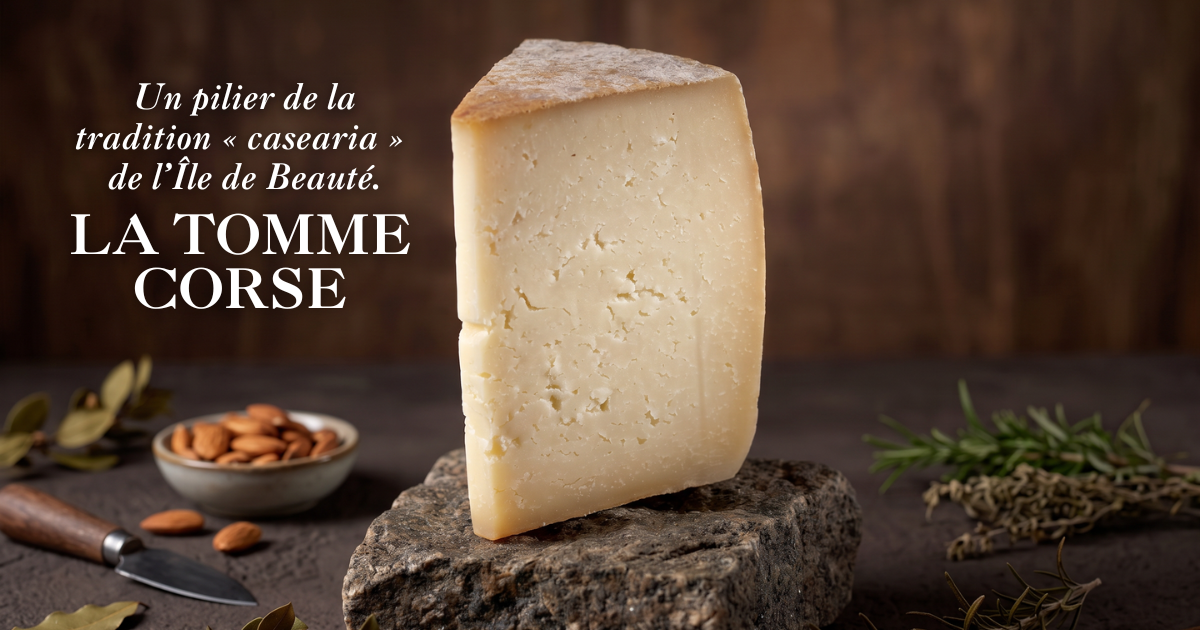
A cornerstone of the ‘casearia’ tradition on the Isle of Beauty Corsican tomme is one of the iconic cheeses of the Île...
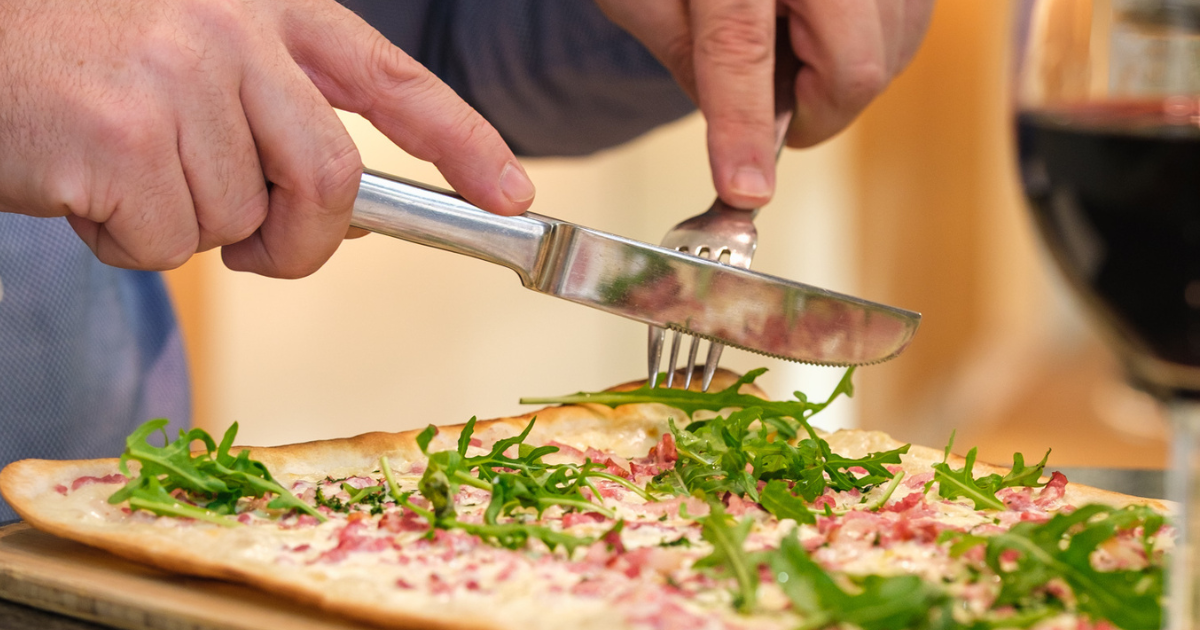
The Komptoir K’ One day, a thousand moments Some places are designed for you to spend a little time there. And then...
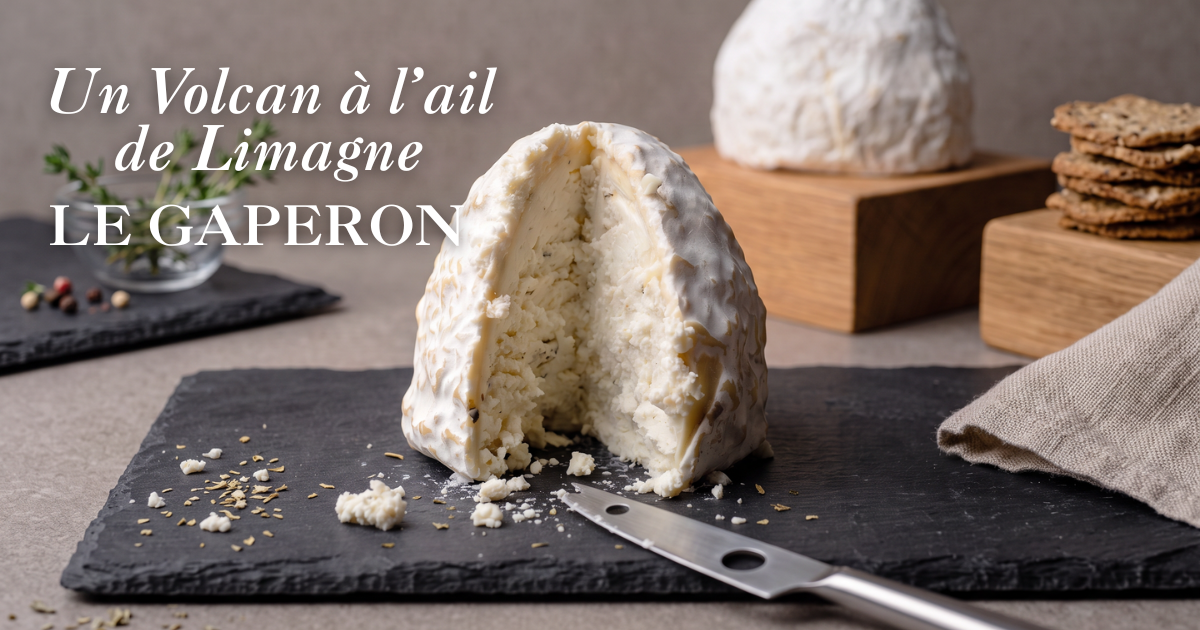
Kaempff-Kohler Cheese Shop A little garlic volcano from the Limagne region It is shaped like a small volcano, has a...
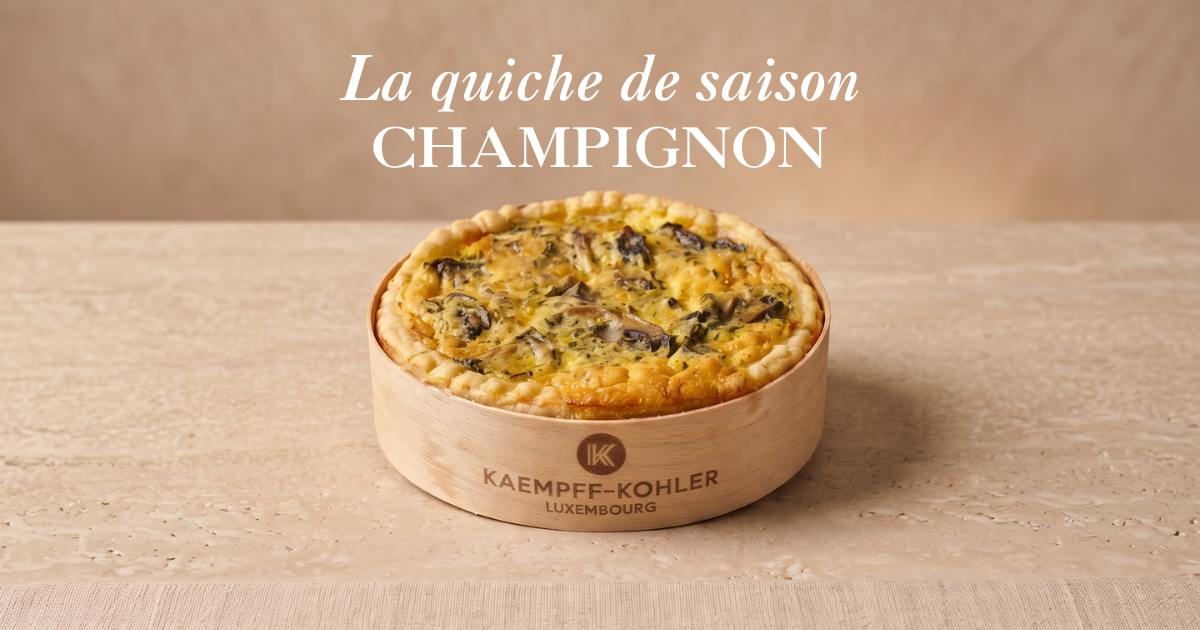
Kaempff-Kohler Take Away Have a great start to the new term, with a touch of indulgence! Autumn is setting in… and...
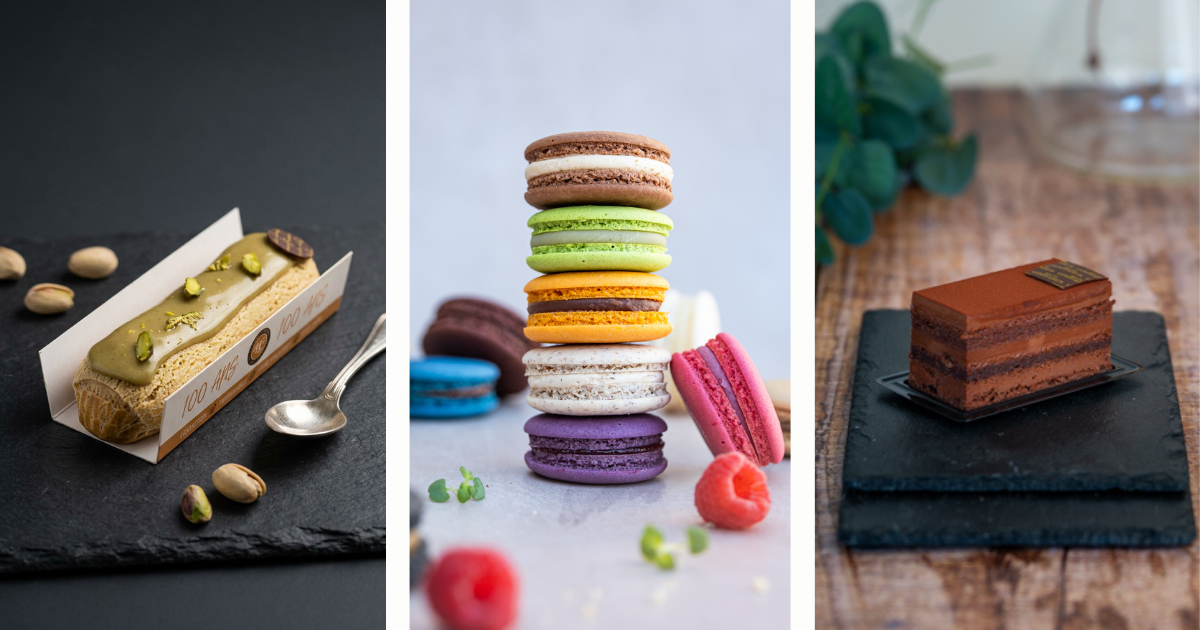
Pleasure without restraint The Kaempff-Kohler gluten-free pastry range At Kaempff-Kohler, we believe that pastry...
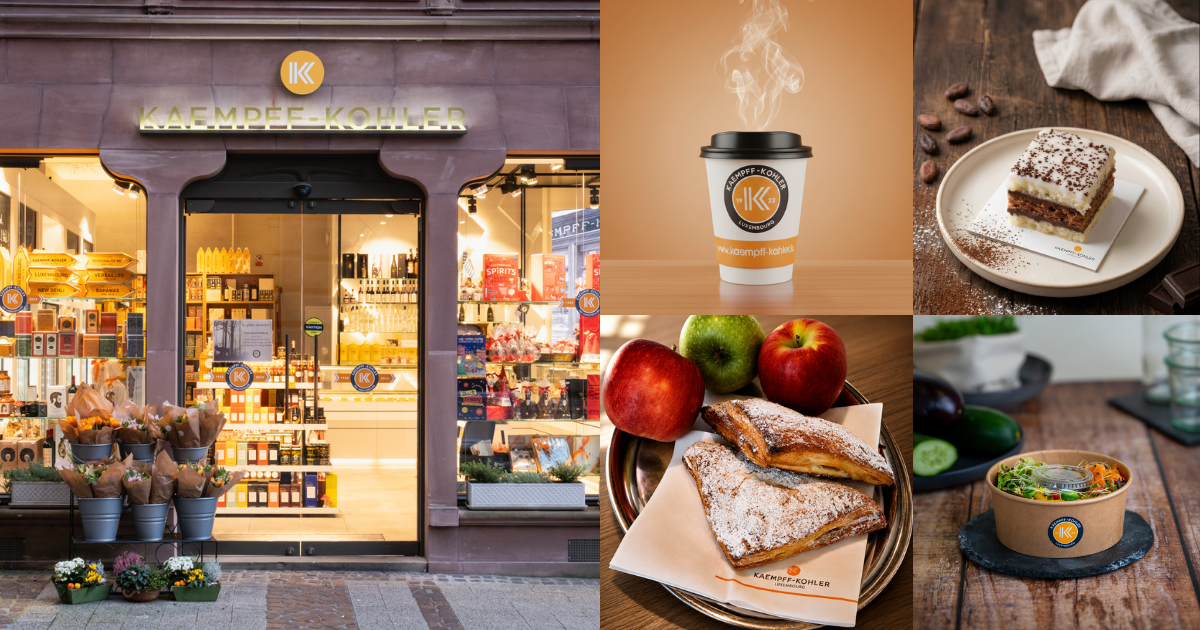
Start of the 2026 academic year ‘Grab & Go Miam’ September is just around the corner… It’s back-to-school time!Back to...
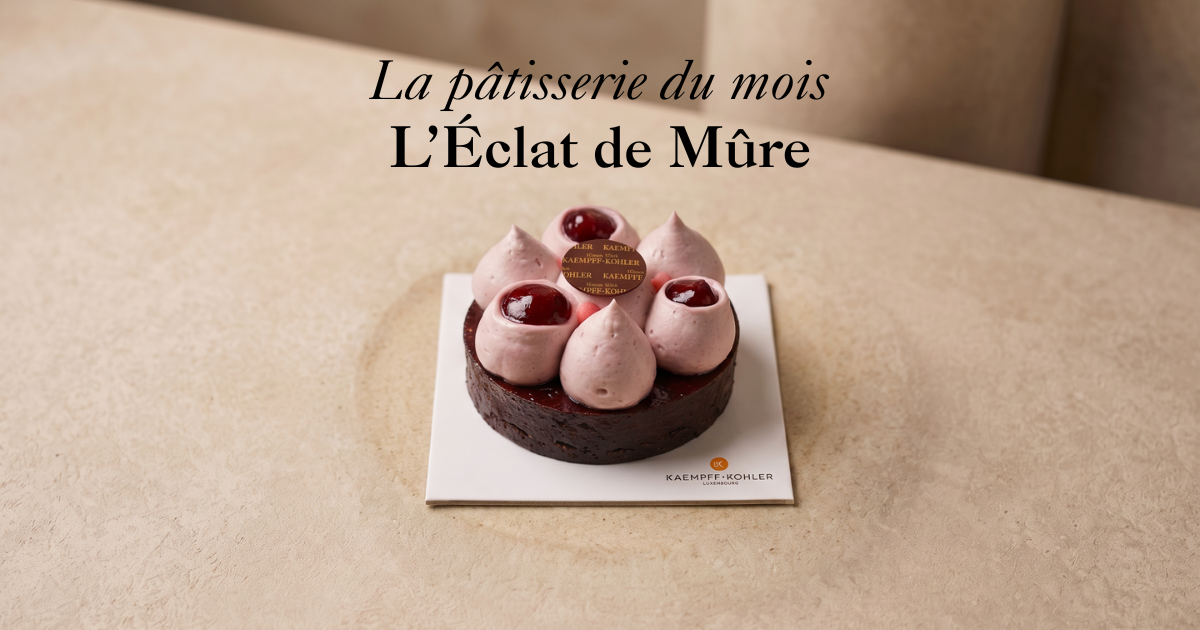
The pastry creation of the month The Blackberry’s Radiance The wild blackberry is the king of late-summer fruits. A...
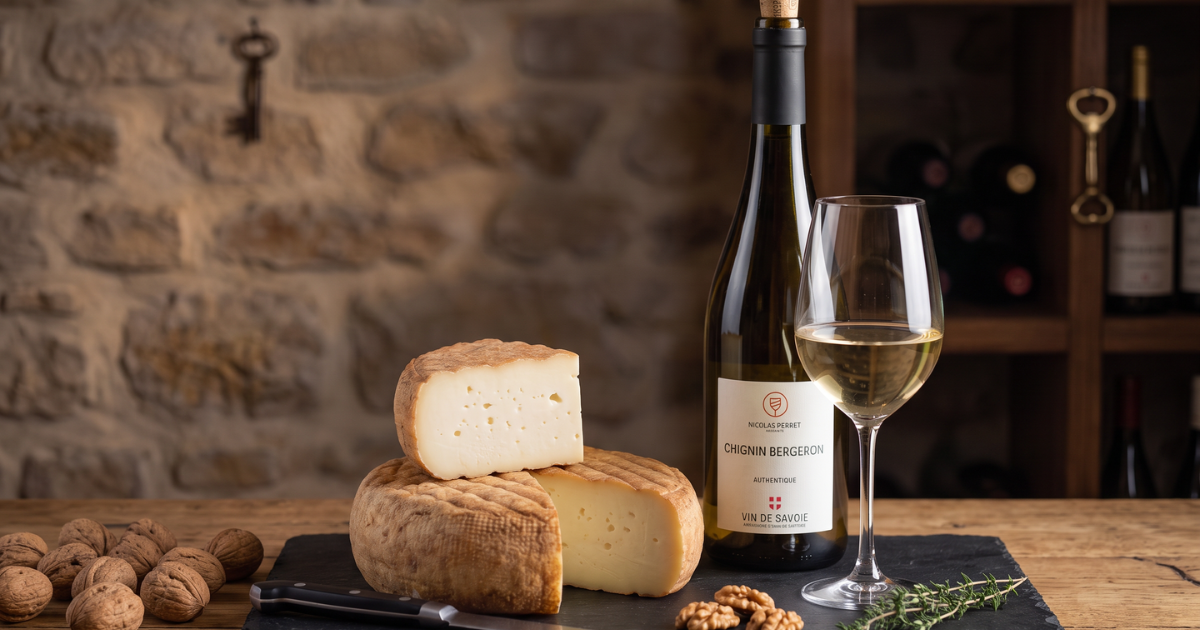
Cheese and wine of the month‘Brun de Noix’ and ‘Chignin-Bergeron’ For their September selection, the cheesemakers at...
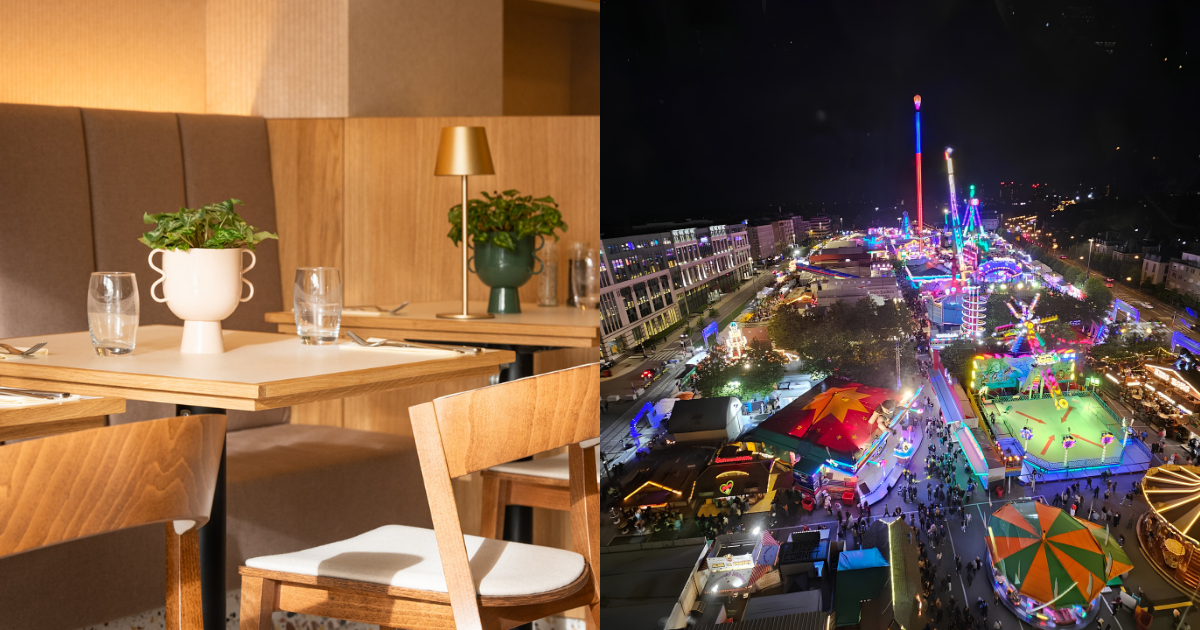
Komptoir K’ – Just like at the Schueberfouer The Fouerfësch: a taste of celebration in the heart of Luxembourg In...