
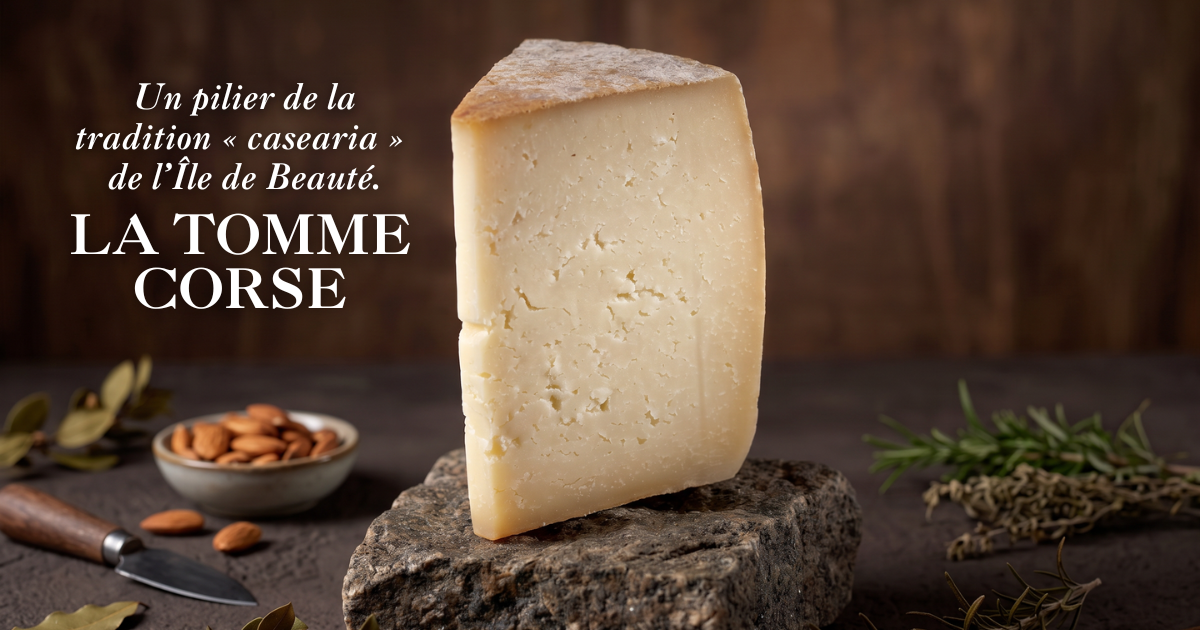
Cheese-making: A cornerstone of the ‘casearia’ tradition on the Isle of Beauty
A cornerstone of the ‘casearia’ tradition on the Isle of Beauty Corsican tomme is one of the iconic cheeses of the Île...

Some recipes stand the test of time without losing their appeal. And then, one day, they come across a chef who decides to breathe new life into them.
That’s more or less what happened at Kaempff-Kohler.
The other day, our pastry chef Jonathan Szymkowiak, lost in thought, asked himself: what if our lemon tart – a long-standing fixture in the Kaempff-Kohler range – deserved to be reinvented?
There’s no question of disrupting what gives it its charm. Rather, it’s about looking at it in a different light, playing with textures, refining the balance and adding that touch of lightness that makes all the difference.
For behind this familiar tart lies a history that is far older than one might imagine.
As far back as the Middle Ages, people in Europe were already making fruit creams – those famous curds, particularly in England. Lemons, which were regarded as a precious commodity at the time, even found their way onto royal tables to add a touch of freshness at the end of a meal.
But it was in the 19th century when the lemon tart began to take on the form we recognise today. Its modern recipe is notably associated with Elizabeth Goodfellow, an American chef and founder of a cookery school in Philadelphia.
Then came an idea as simple as it was brilliant: meringue.
Once you’ve made the lemon custard with the egg yolks, what should you do with the remaining egg whites? Pastry chefs came up with the idea of turning them into a light, sweet meringue, which is delicately piped onto the tart.
The lemon meringue tart was born.
And ever since, it has continued to captivate with its almost perfect balance.
When you bite into it, the shortcrust pastry reveals its crunch at first.
Next comes the rich, creamy texture of the lemon cream – vibrant and generous – before giving way to the light, airy sweetness of the meringue.
Three textures. Two main flavour groups.
On the one hand, the bright, invigorating tartness of lemon. On the other, the delicate sweetness of sugar.
For Jonathan Szymkowiak, that was precisely the challenge: to preserve that emotion whilst reinterpreting it.
The result?
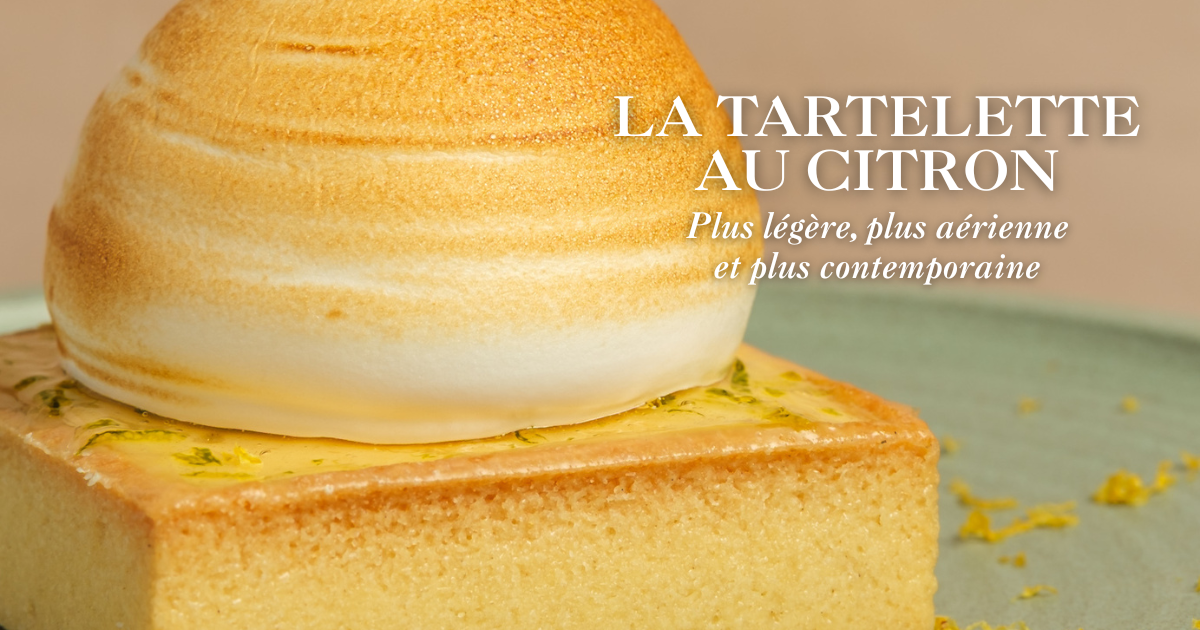
A lemon tartlet that’s lighter, airier and more contemporary, yet still utterly indulgent.
A little gem of artisanal patisserie, where every detail counts and every texture falls into place naturally.
Once again, Kaempff-Kohler’s expertise shines through where it is most at home: in pleasure, precision and indulgence.
A cornerstone of the ‘casearia’ tradition on the Isle of Beauty Corsican tomme is one of the iconic cheeses of the Île...
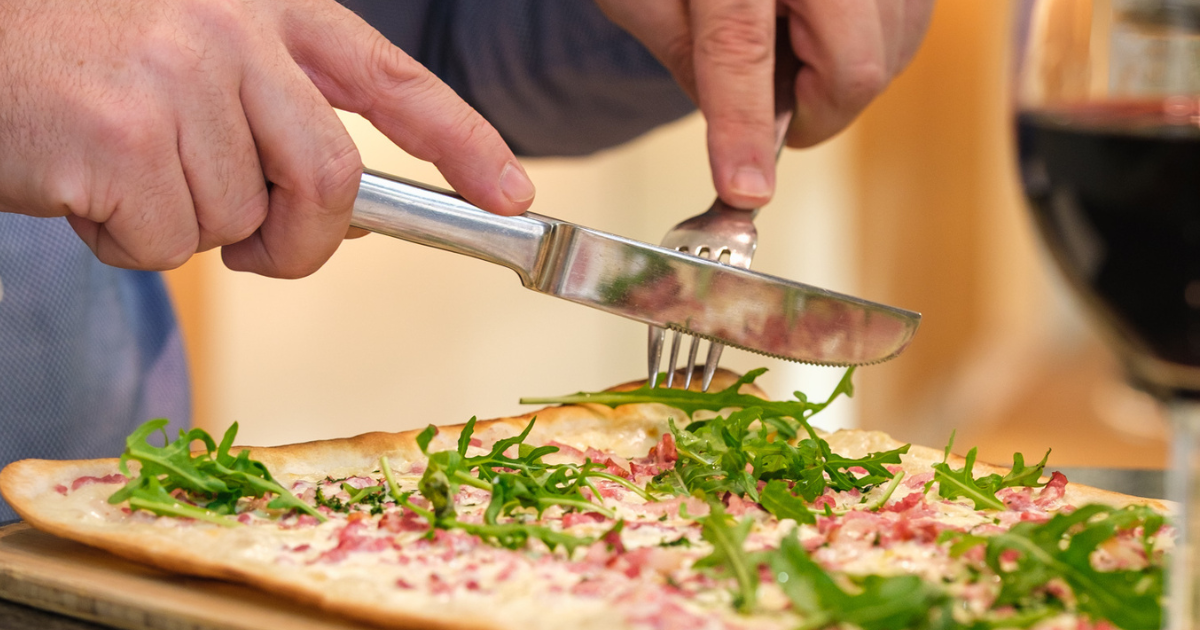
The Komptoir K’ One day, a thousand moments Some places are designed for you to spend a little time there. And then...
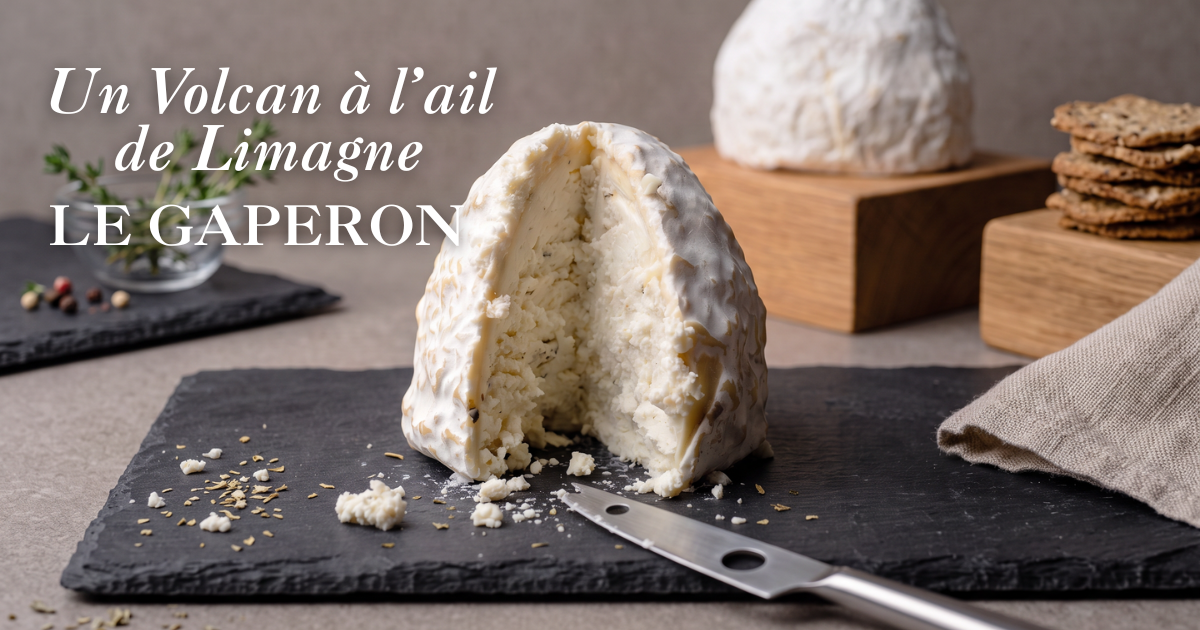
Kaempff-Kohler Cheese Shop A little garlic volcano from the Limagne region It is shaped like a small volcano, has a...
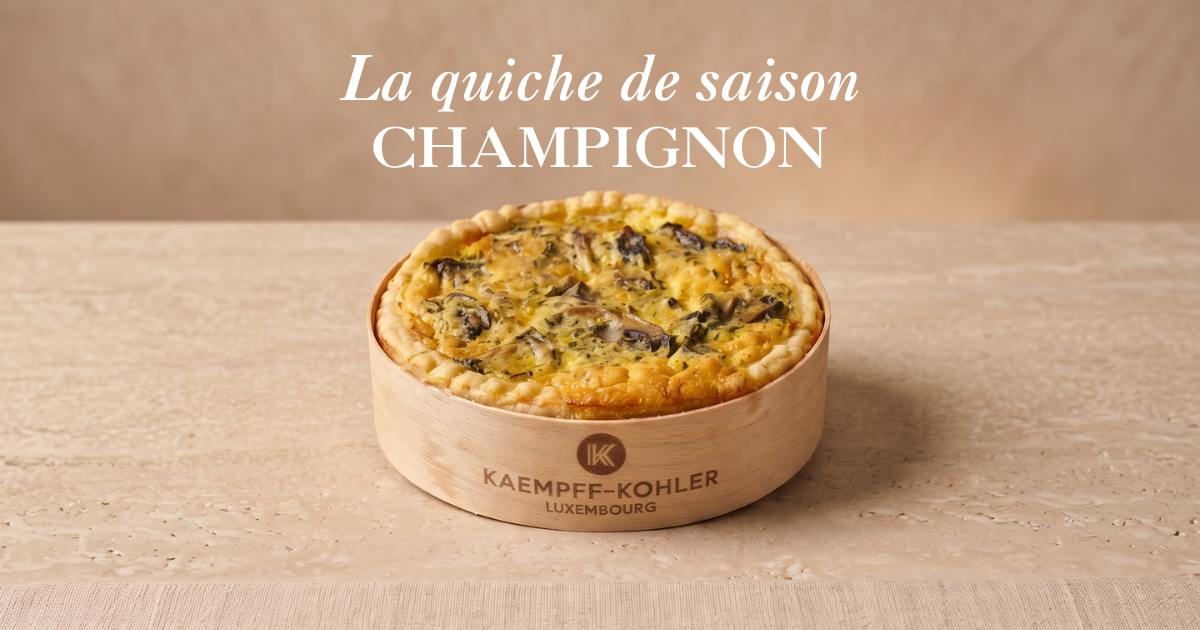
Kaempff-Kohler Take Away Have a great start to the new term, with a touch of indulgence! Autumn is setting in… and...
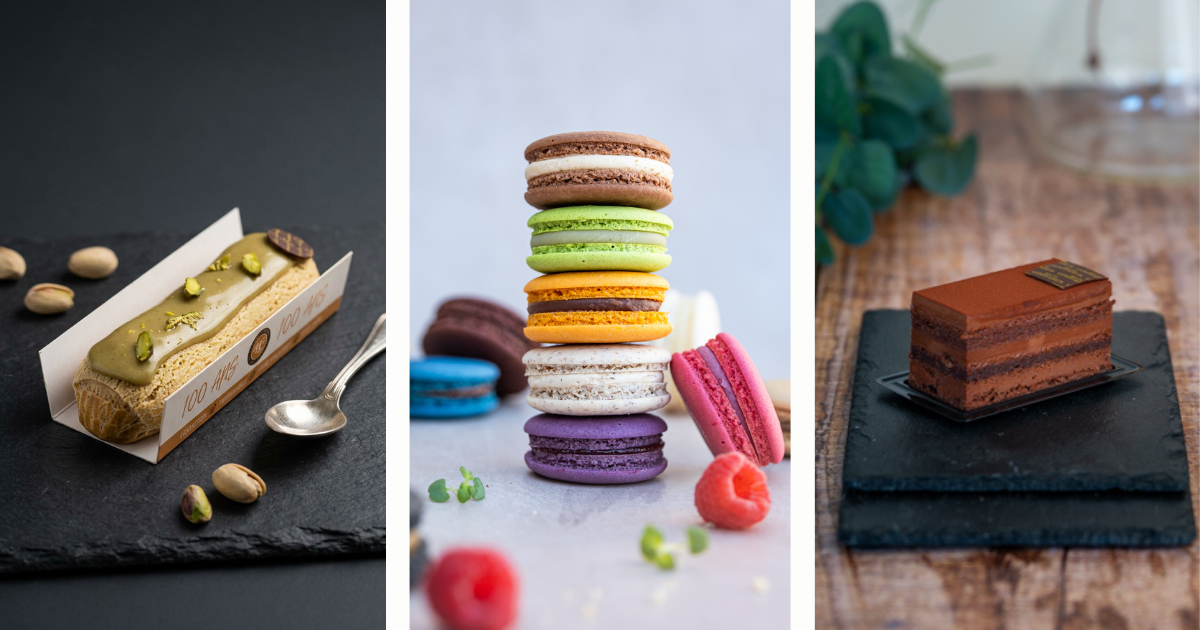
Pleasure without restraint The Kaempff-Kohler gluten-free pastry range At Kaempff-Kohler, we believe that pastry...
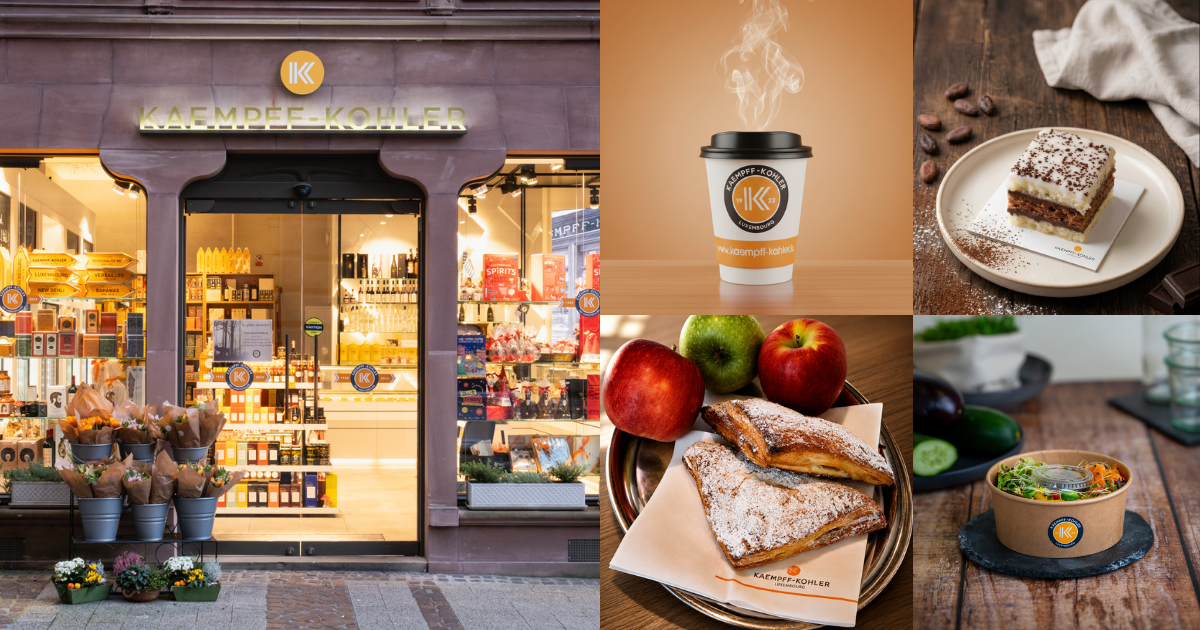
Start of the 2026 academic year ‘Grab & Go Miam’ September is just around the corner… It’s back-to-school time!Back to...
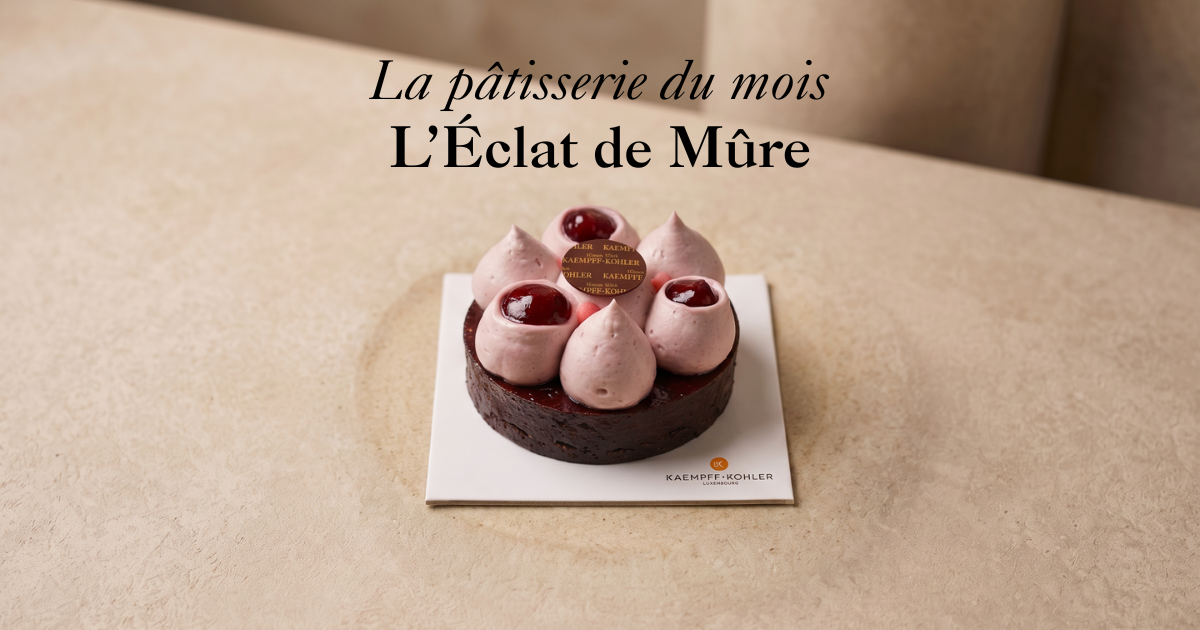
The pastry creation of the month The Blackberry’s Radiance The wild blackberry is the king of late-summer fruits. A...
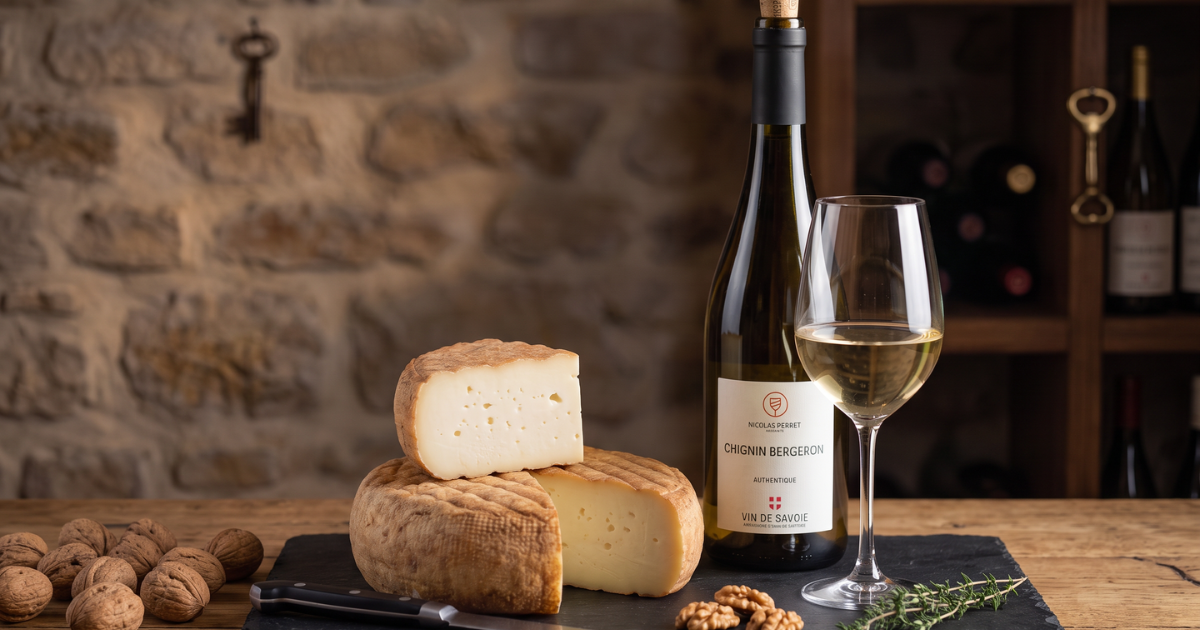
Cheese and wine of the month‘Brun de Noix’ and ‘Chignin-Bergeron’ For their September selection, the cheesemakers at...

Komptoir K’ – Just like at the Schueberfouer The Fouerfësch: a taste of celebration in the heart of Luxembourg In...
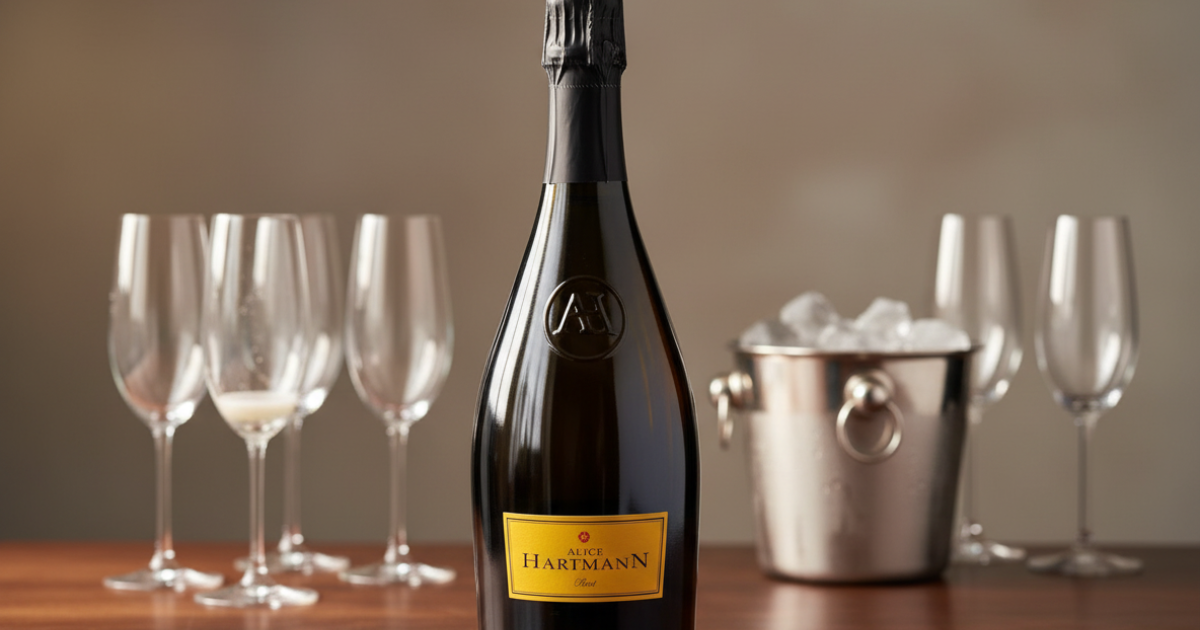
A small country, great wines The treasures of the Kaempff-Kohler wine cellar 42 kilometres of vineyards, exceptional...