

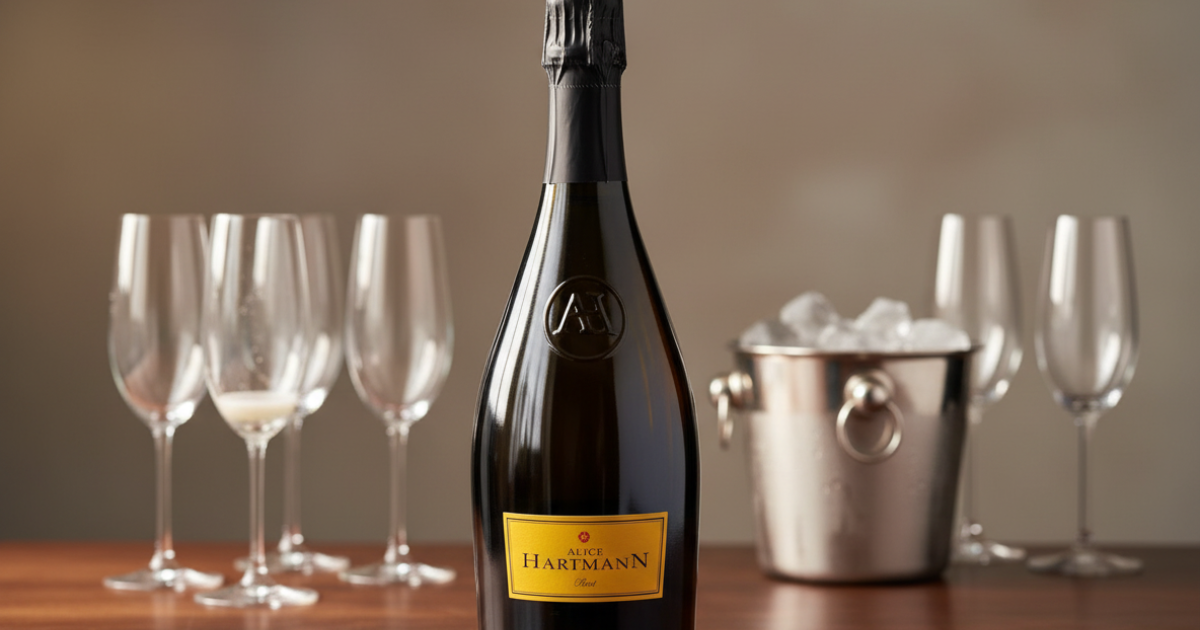
The treasures of the Kaempff-Kohler Cellar
A small country, great wines The treasures of the Kaempff-Kohler wine cellar 42 kilometres of vineyards, exceptional...

Luxembourg at the Table
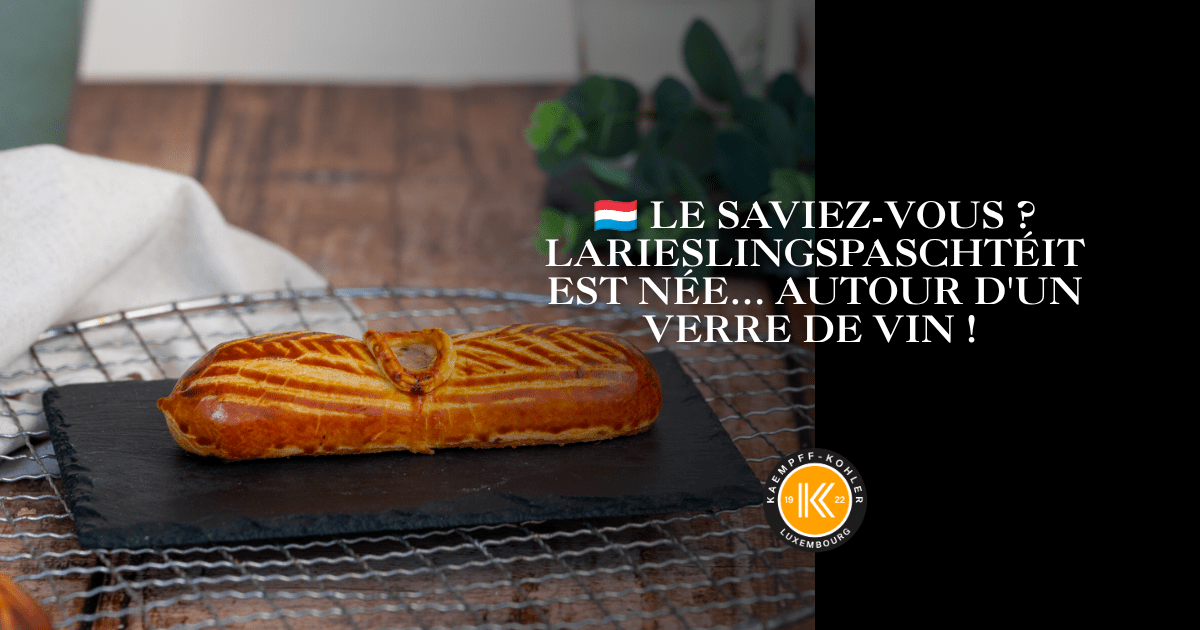
Luxembourg at the Table: The story of the ‘Rieslingspaschtéit’, a recipe that has become part of the country’s heritage.
If there is one dish that single-handedly embodies Luxembourg’s culinary identity, it is undoubtedly the Rieslingspaschtéit, the famous white wine pâté en croûte. A true ambassador for the country’s terroir, this speciality combines a golden shortcrust pastry – traditionally made with lard – with a generous filling of pork and veal, marinated at length in dry white wine, before being delicately glazed with a fragrant jelly.
But behind this iconic recipe lies a story that is just as delicious as the dish itself.
The year is 1928. Six years after opening his patisserie at 10 Rue du Curé, in the heart of Luxembourg City, Pierre Kaempff, founder of Maison Kaempff-Kohler, is, as usual, meeting up with a few friends for a glass of Riesling in a local café.
As the evening wore on, one of them quipped:
> “Riesling really whets the appetite… Could y
Pierre rises to the challenge.
At a time when gourmet appetisers did not yet exist, he devised a recipe that was as simple as it was ingenious. He roughly minced veal and pork, marinated the meat for forty-eight hours in a dry Riesling with aromatic herbs and spices, shaped it into small quenelles, wrapped them in shortcrust pastry and then baked them in the oven.
Once the pâté has cooled, he injects it with a Riesling jelly, then leaves the whole thing to rest a second time in the fridge. A few hours later, his friends sample this creation over another glass of wine. The Rieslingspaschtéit is born.
The recipe quickly became a huge success and has stood the test of time without ever losing its authenticity. Many chefs have taken it up and adapted it in their own way, turning it into one of the great classics of Luxembourgish cuisine.
At Kaempff-Kohler, tradition is still very much alive. Only one change has taken place over time: the choice of wine. Today’s Riesling is no longer the same as that of the 1920s. More fruity and rounder, it no longer possesses the dry, lively and crisp character that provided the balance in the original recipe.
In order to recreate the flavour profile of yesteryear, Kaempff-Kohler is now working with a Luxembourgish winemaker who produces a drier Elbling specifically inspired by the wines of that era. This choice helps to preserve the traditional flavour of this speciality and to offer a Rieslingspaschtéit that remains true to the spirit envisaged by Pierre Kaempff nearly a century ago.
Even today, this recipe remains one of Maison Kaempff-Kohler’s signature dishes and is a must-try in its delicatessen range. More than just a pâté en croûte, it tells a story of friendship, conviviality and Luxembourgish expertise passed down from generation to generation. 🇱🇺🥧🍷
A small country, great wines The treasures of the Kaempff-Kohler wine cellar 42 kilometres of vineyards, exceptional...
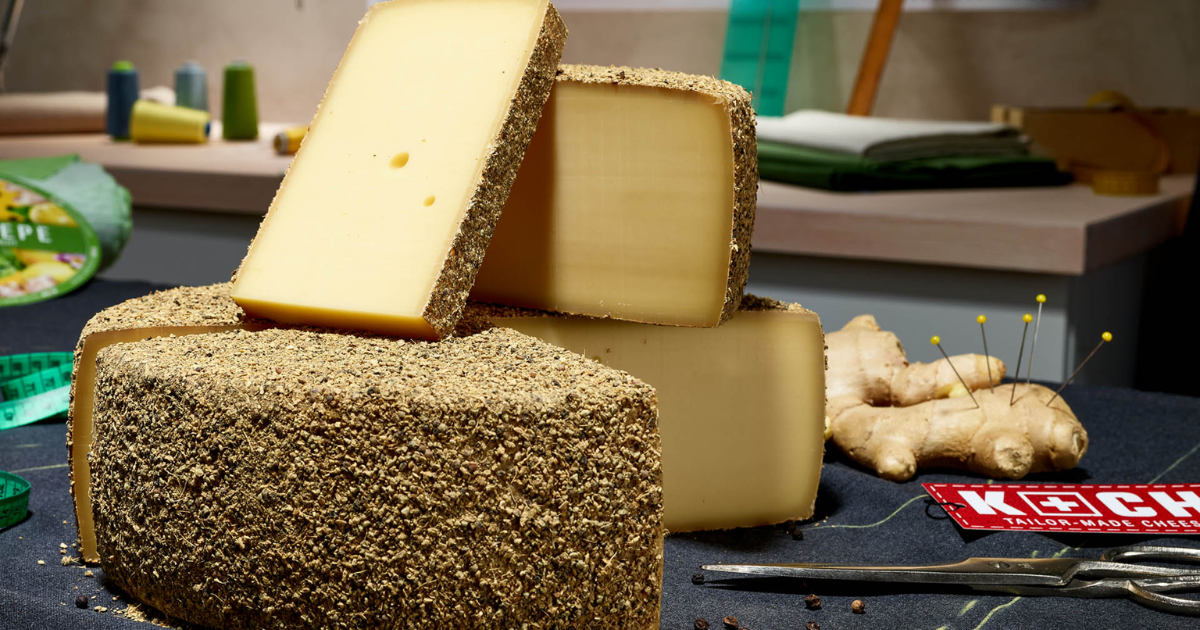
At the Kaempff-Kohler Cheese Dairy Tomme with lemon, pepper and ginger Fancy trying a cheese that’s as original as it...
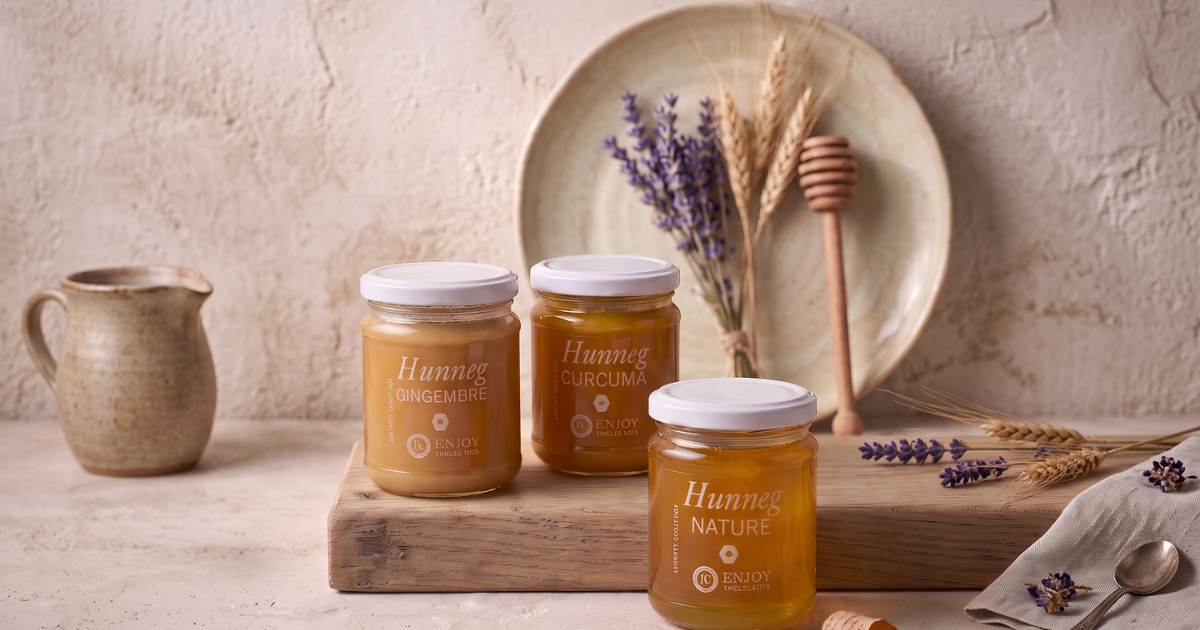
When the bees make their honey in Niederanven Un miel luxembourgeois, né du quotidien chez Kaempff-Kohler Sometimes...
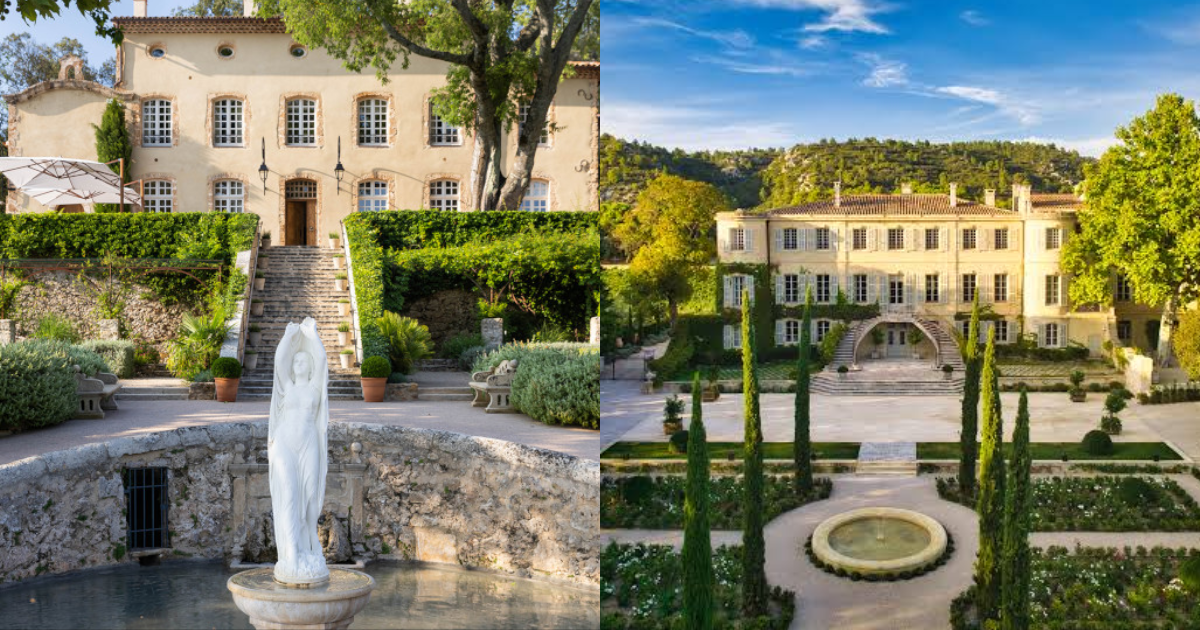
Big names, exceptional oils Olive oils that are well worth a visit Let’s head to two iconic estates in Provence, where...
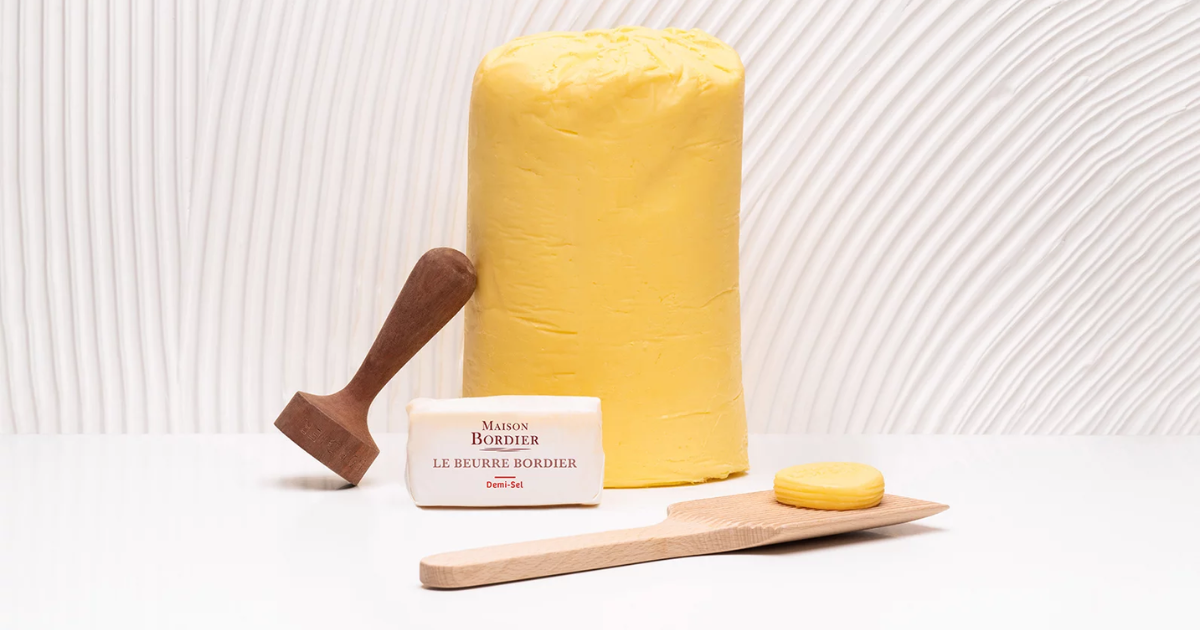
Excellence, authenticity, tradition and craftsmanship: these are the qualities that make Bordier butter a must-try, available at the Kaempff-Kohler cheese shop.
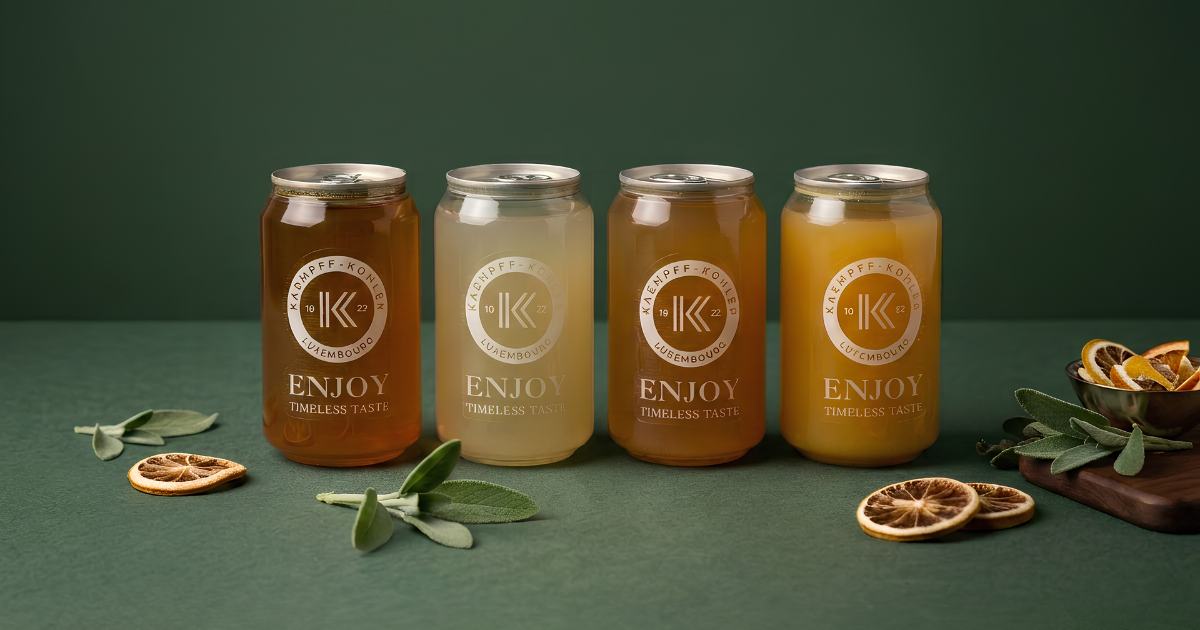
Whether it’s iced tea or a virgin mojito, whatever takes your fancy, there’s always a good reason to treat yourself to a refreshing break.
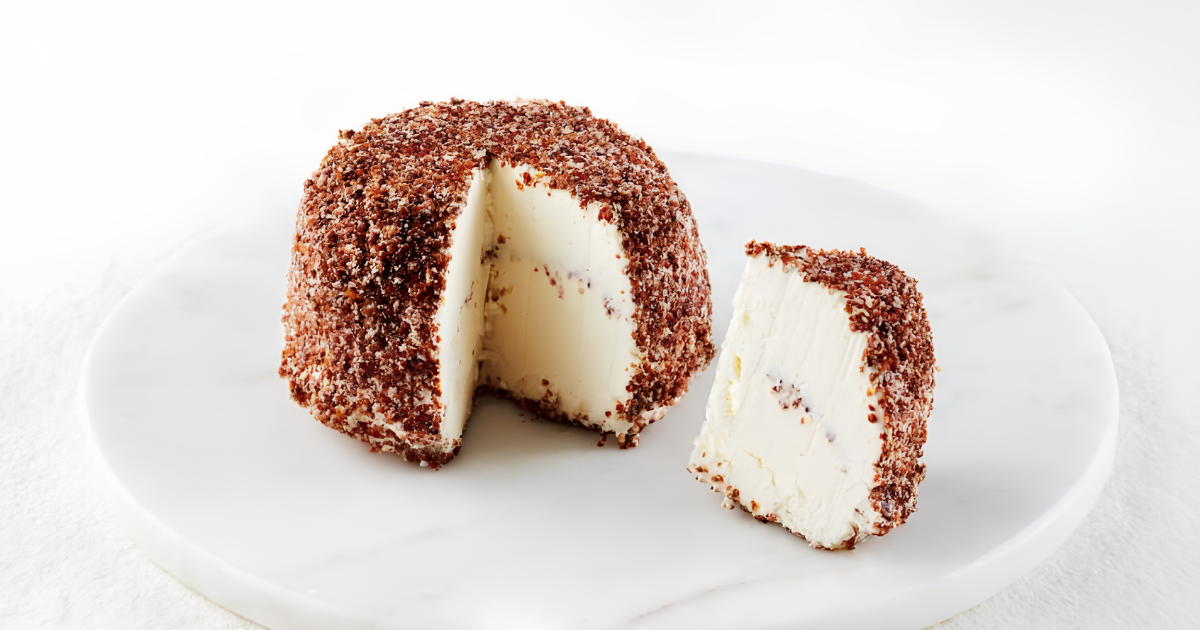
Délice de Pommard is an invitation to discover a gourmet Burgundy—generous and full of character.
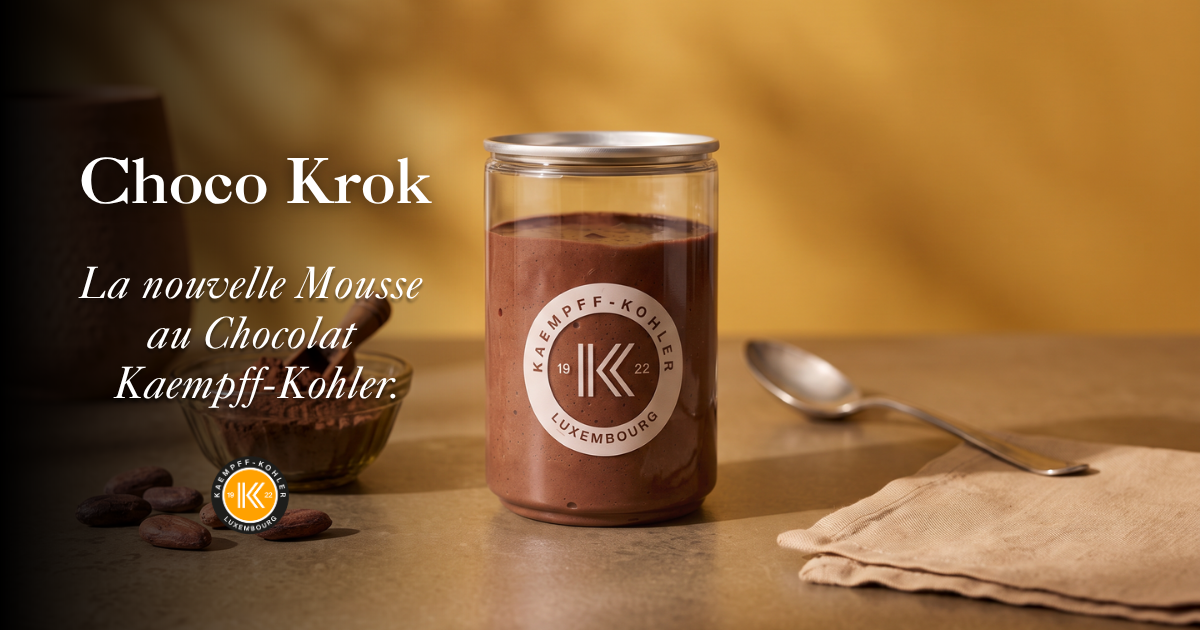
This month’s pastry Take Away reveals a new creation that’s sure to melt chocolate lovers’ hearts.
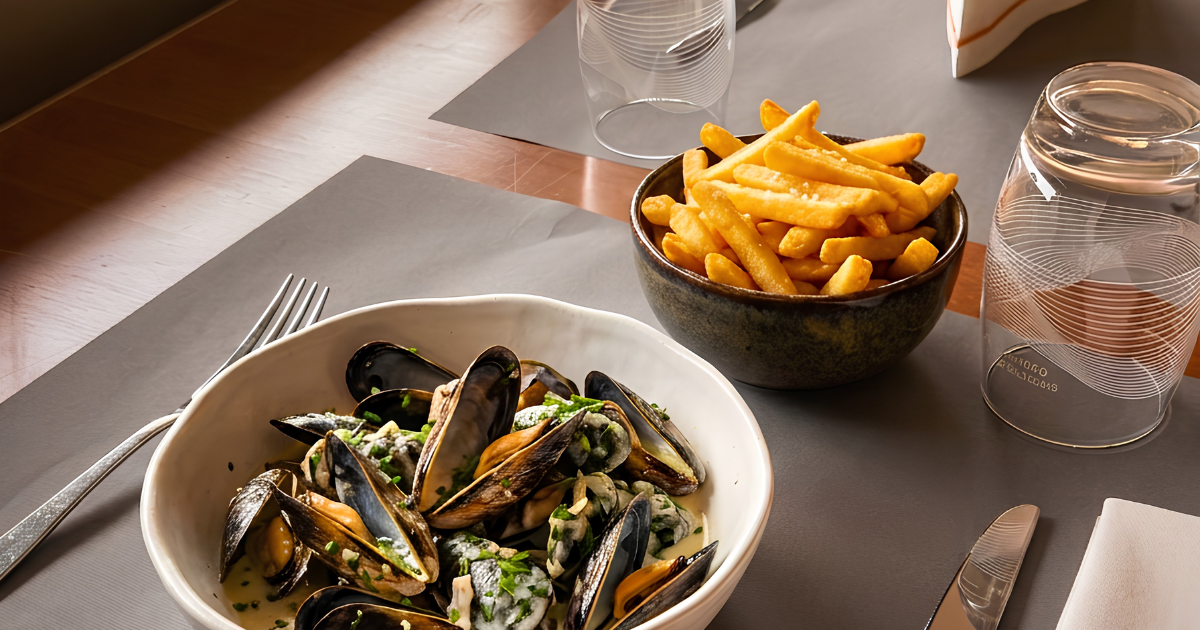
Every summer, from July onwards, enthusiasts look forward to them with great anticipation. The season for the famous Zeeland mussels is officially open!
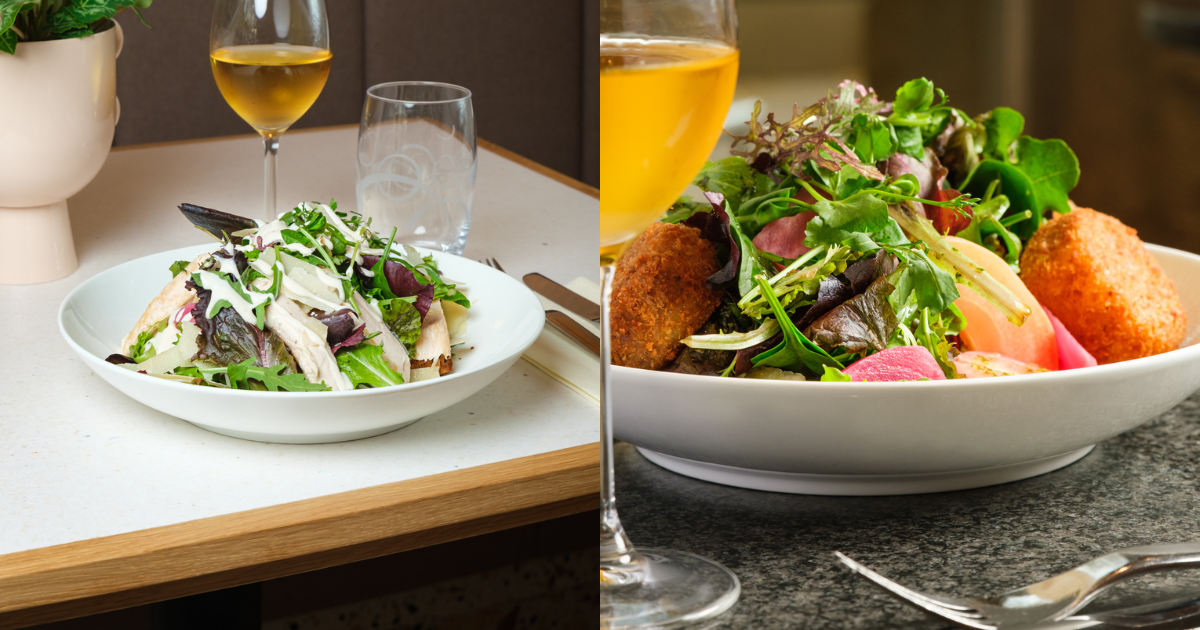
This summer, the chef is celebrating the sunny days with four salads that are every bit as good as a proper gourmet meal. These colourful, balanced and flavourful creations are designed to accompany sunny lunches.